

Process for handling unauthorized buildings
Unauthorized Buildings – Demolition Order Introduction
The most common small-scale engineering projects related to unauthorized buildings
1
Adding a loft to the interior
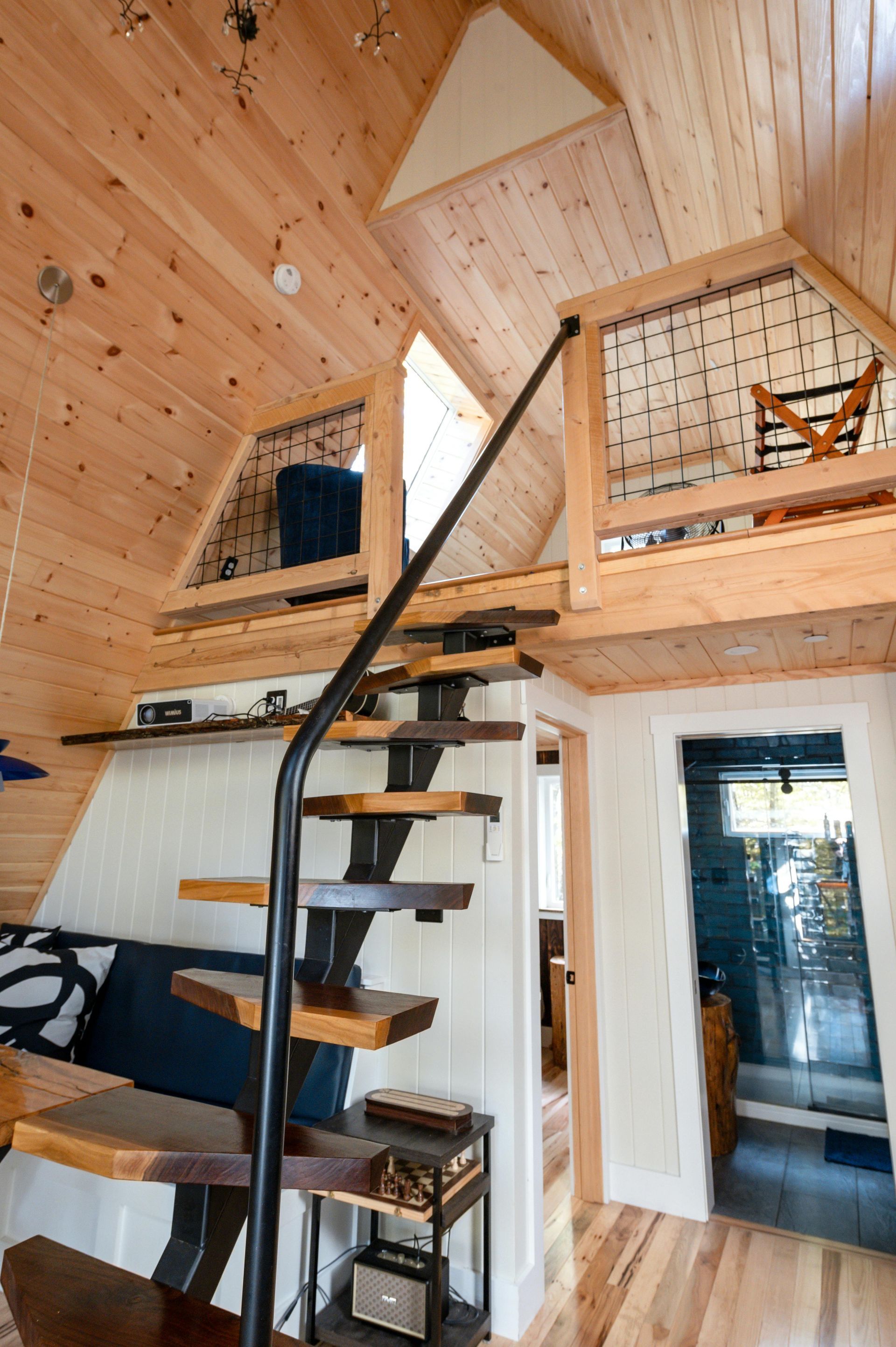
In some units (whether residential, commercial, ground-floor shops, or factory buildings), due to their relatively high ceilings, some owners or tenants may consider adding an extra floor to instantly expand the usable indoor area. This is a typical construction project, and because it is located inside the unit, it is usually difficult to be discovered. In addition to affecting security issues, this also involves the overall usable area of the building.
Demolition of structural walls
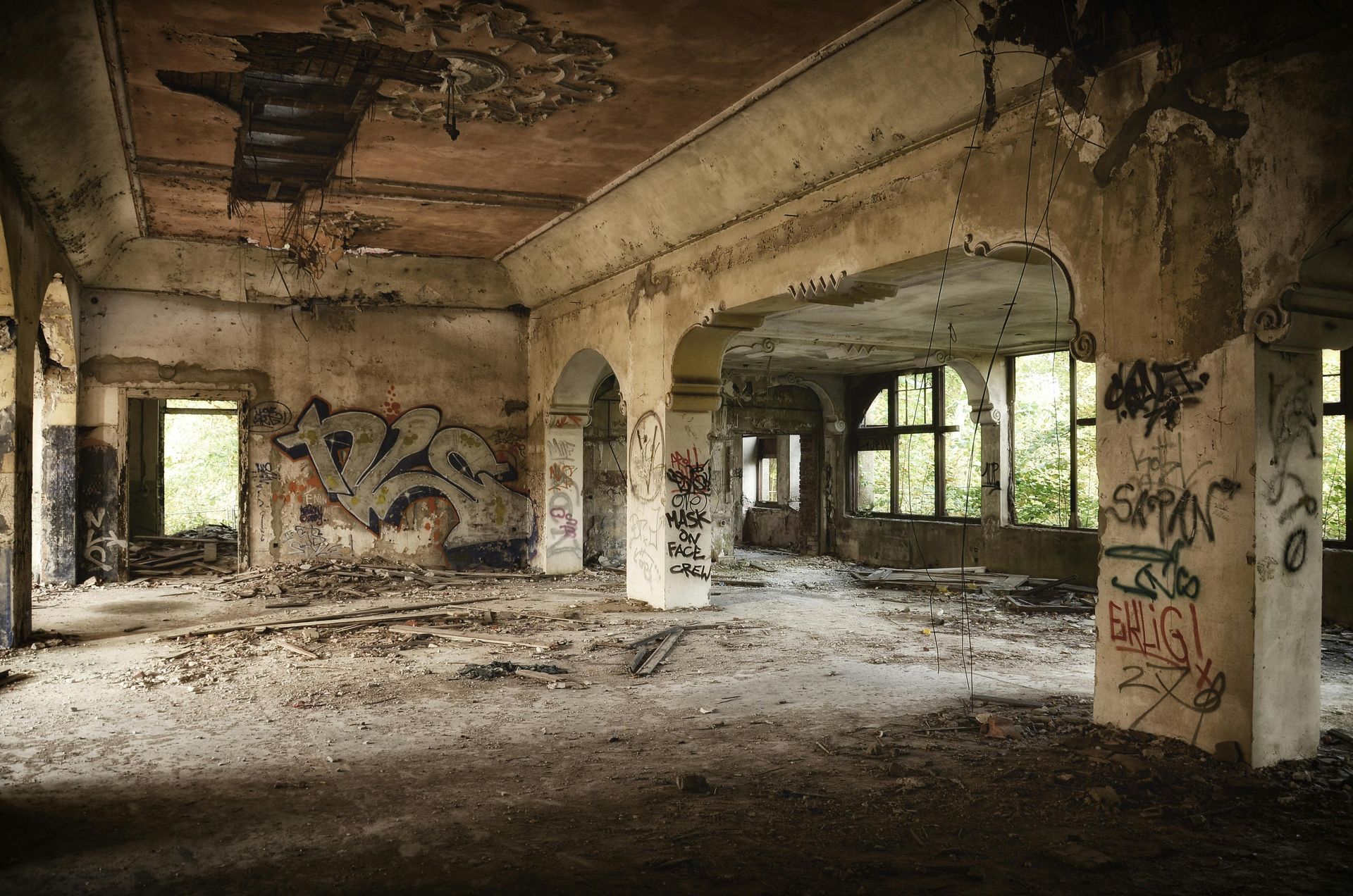
To determine whether a wall is a structural component, one cannot rely solely on visual inspection or whether the wall is constructed of reinforced concrete or brick. The safest approach is to check the building plan on the Buildings Department's website. Demolishing a structural wall not only affects the structural safety of the unit itself but also the safety of the entire building, with potentially severe consequences.
2
3
Modify fire separation interval
The conversion to fire-resistant partitions includes kitchen walls in general residential buildings, firewalls between units, firewalls between units and public corridors, and fire-resistant porches leading to fire escape staircases. Under normal circumstances, homeowners may not think that this change is a big problem, but if a fire occurs, it will cause great problems for the safety of people and property.
Modify floor-to-ceiling windows
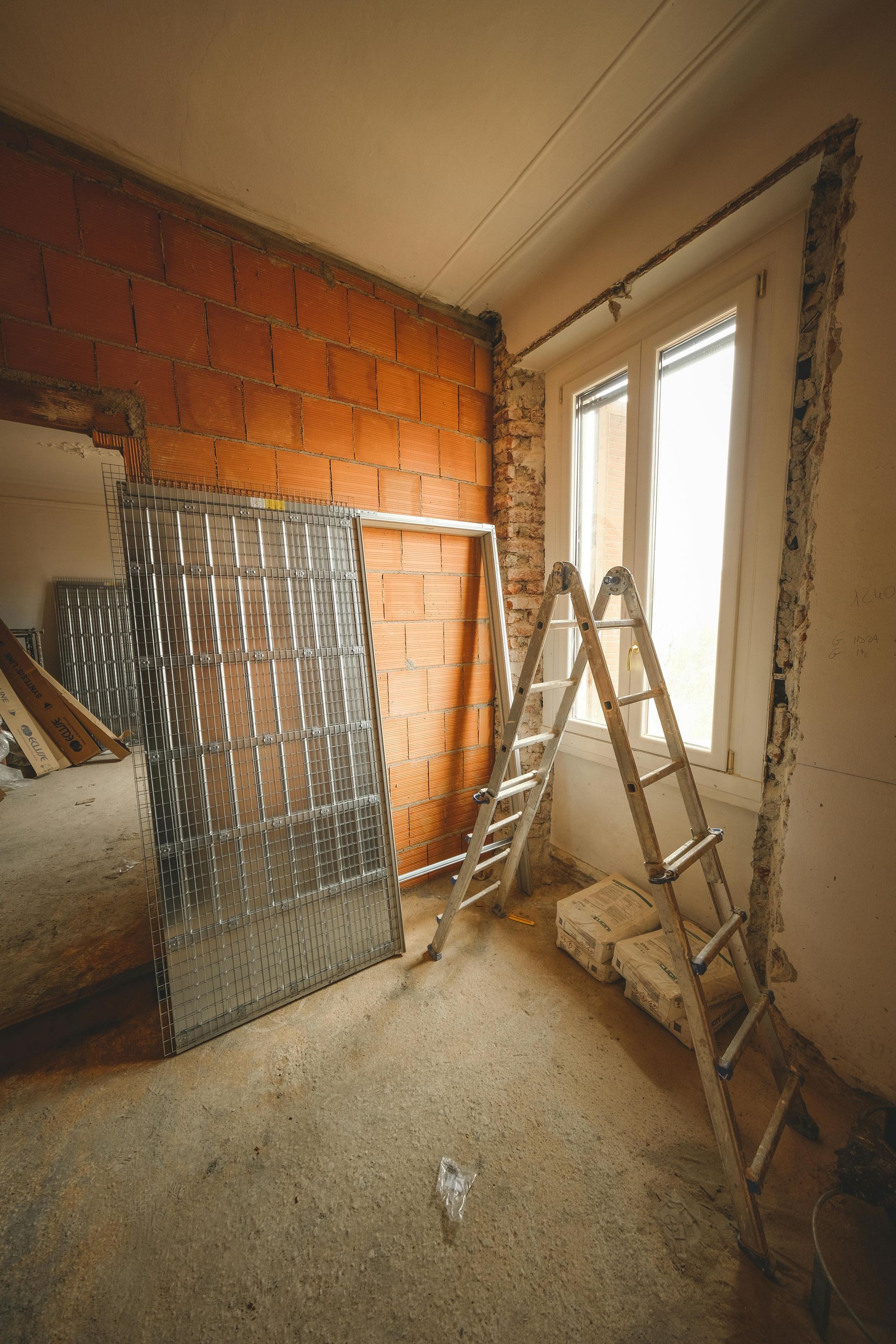
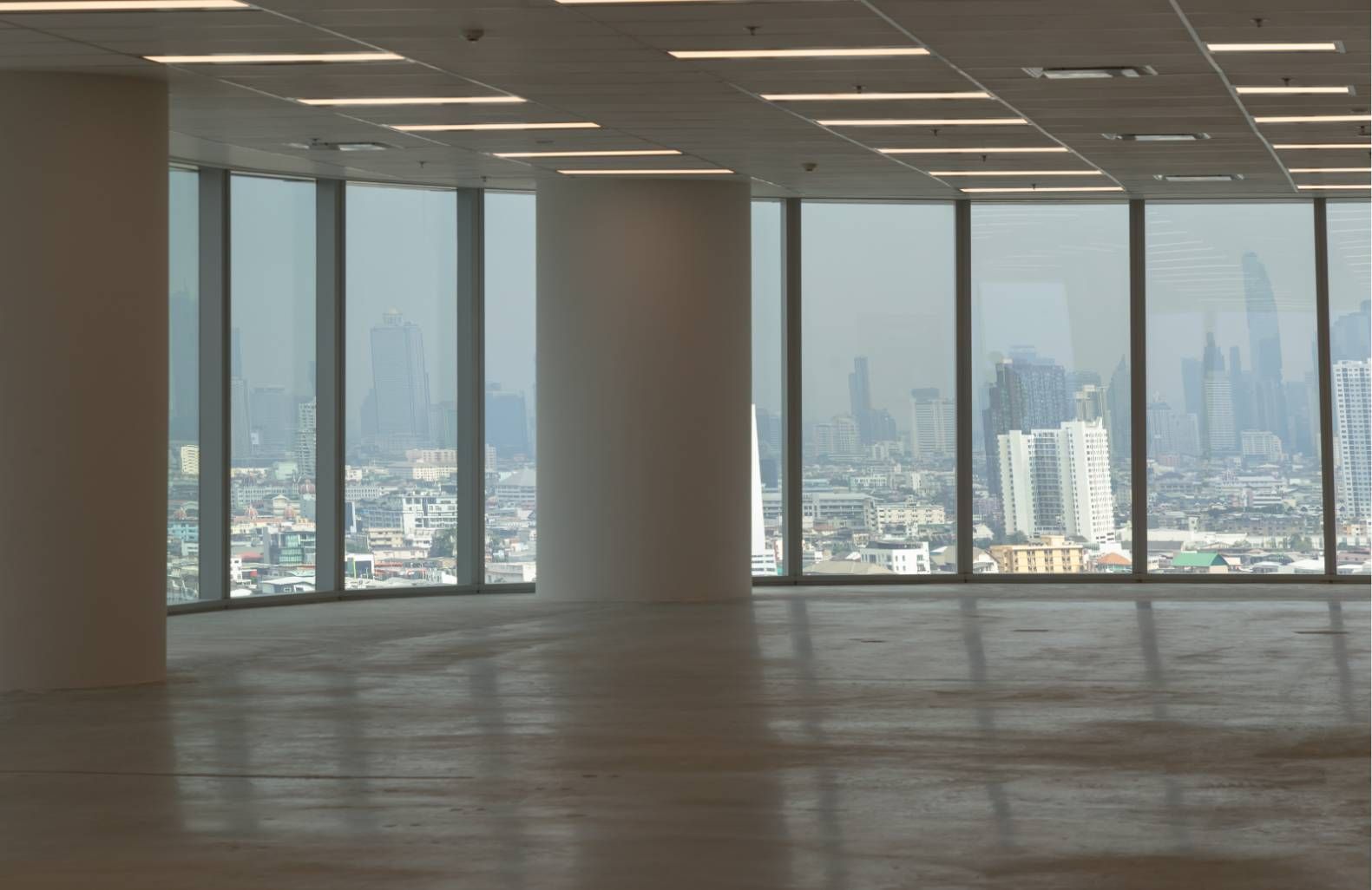
Traditionally, street-facing units have windows separated by a 1.1-meter-high brick wall, with aluminum windows installed above the brick wall. Some owners believe that removing the 1.1-meter-high brick wall and replacing it with floor-to-ceiling glass would make the unit brighter and more aesthetically pleasing. However, alterations made without proper Buildings Department procedures not only affect structural safety but also fire safety requirements. Currently, carrying out these alterations through Class I minor works is the legal procedure.
4
5
Modify the aluminum windows facing the street
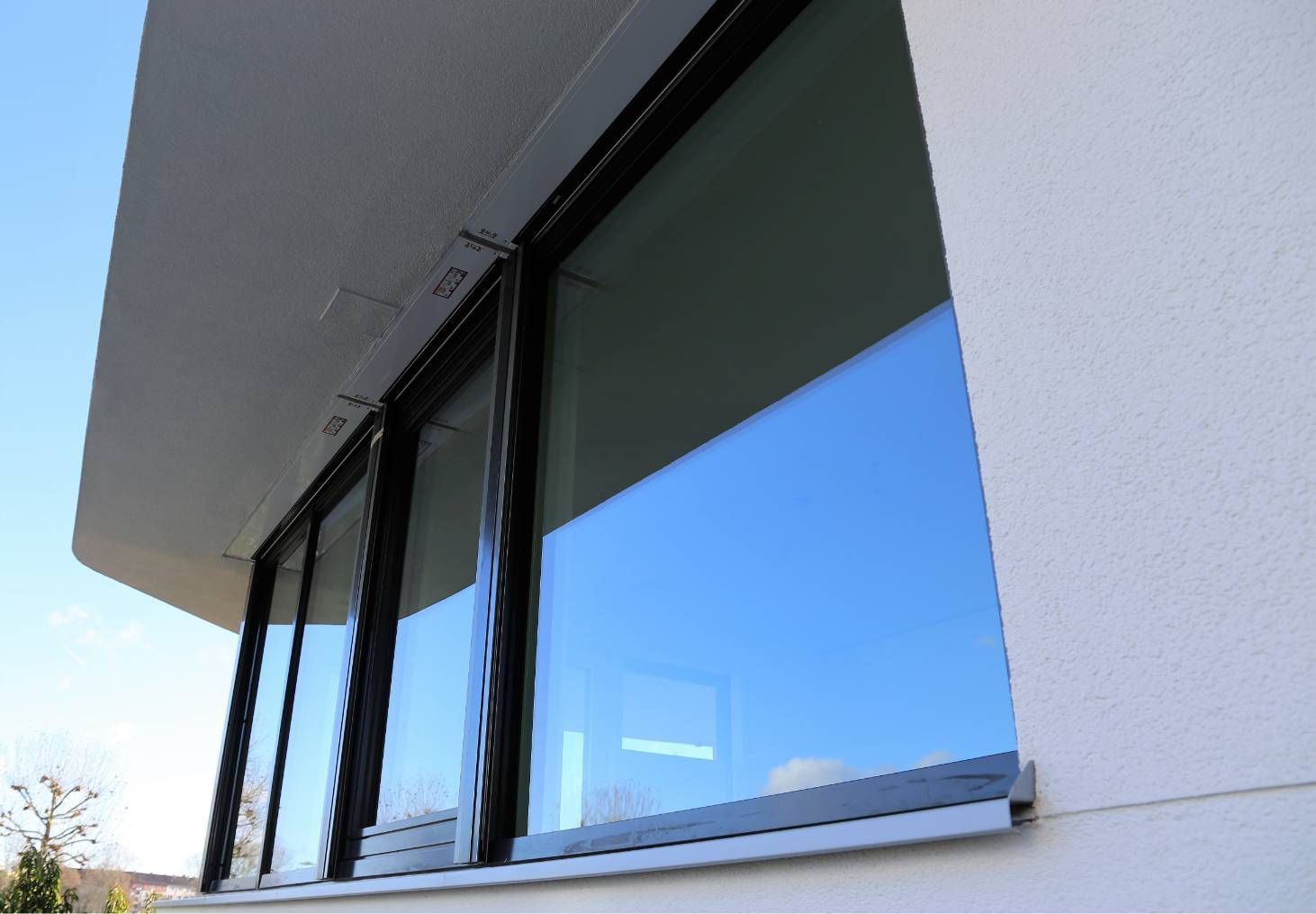
This mainly involves replacing outdated aluminum windows, altering styles and designs, and increasing the size of aluminum windows. If these alterations are not carried out through the Buildings Department's proper channels, they will affect structural safety and fire safety requirements. Aluminum windows are involved in all Class I, II, and III minor works projects; the actual class depends on the complexity and size of the aluminum windows.
Modification of the exterior wall facing the street
Sometimes, building maintenance or interior design may require alterations to the building's exterior walls. Ideally, these should be done through a minor works procedure. Since this affects the building's appearance, and the ownership of the exterior walls may belong to the building's owners' corporation, it's important to ensure that the consent of the building's owners' corporation or management company is required.
6
7
Install exterior signage
Exterior signs are generally categorized into those on the rooftops of ground-floor shops, those extending onto sidewalks or roads, and large advertising displays on the exterior walls of high-rise buildings. Because neglected exterior signs can pose a safety hazard, and there have been numerous cases of signs falling and causing loss of life and property damage, the Buildings Department's Minor Works Regulations provide clear guidelines on how to regulate sign installation. Of course, ownership issues should also be considered; it is recommended to check beforehand and communicate with the building's owners' corporation or property management company for clarification.
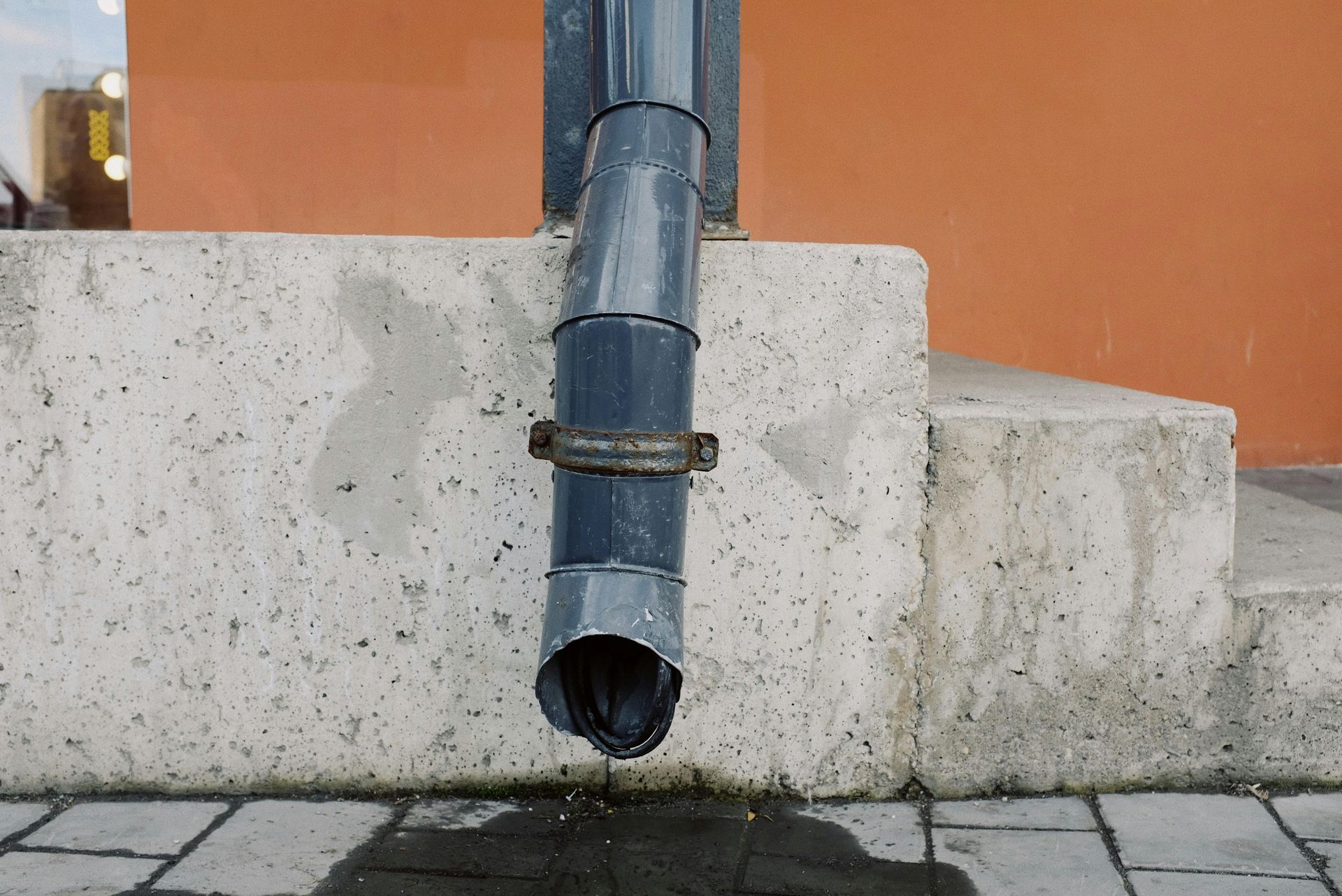
Modify the drain pipe
Since the COVID-19 pandemic, building exterior pipes have been accused of potentially spreading the virus. The Buildings Department has issued numerous orders regarding these pipes, primarily targeting unauthorized alterations to plumbing systems and improper installation of anti-siphon pipes. The Buildings Department also provides detailed guidelines for the installation of anti-siphon pipes.
8
9
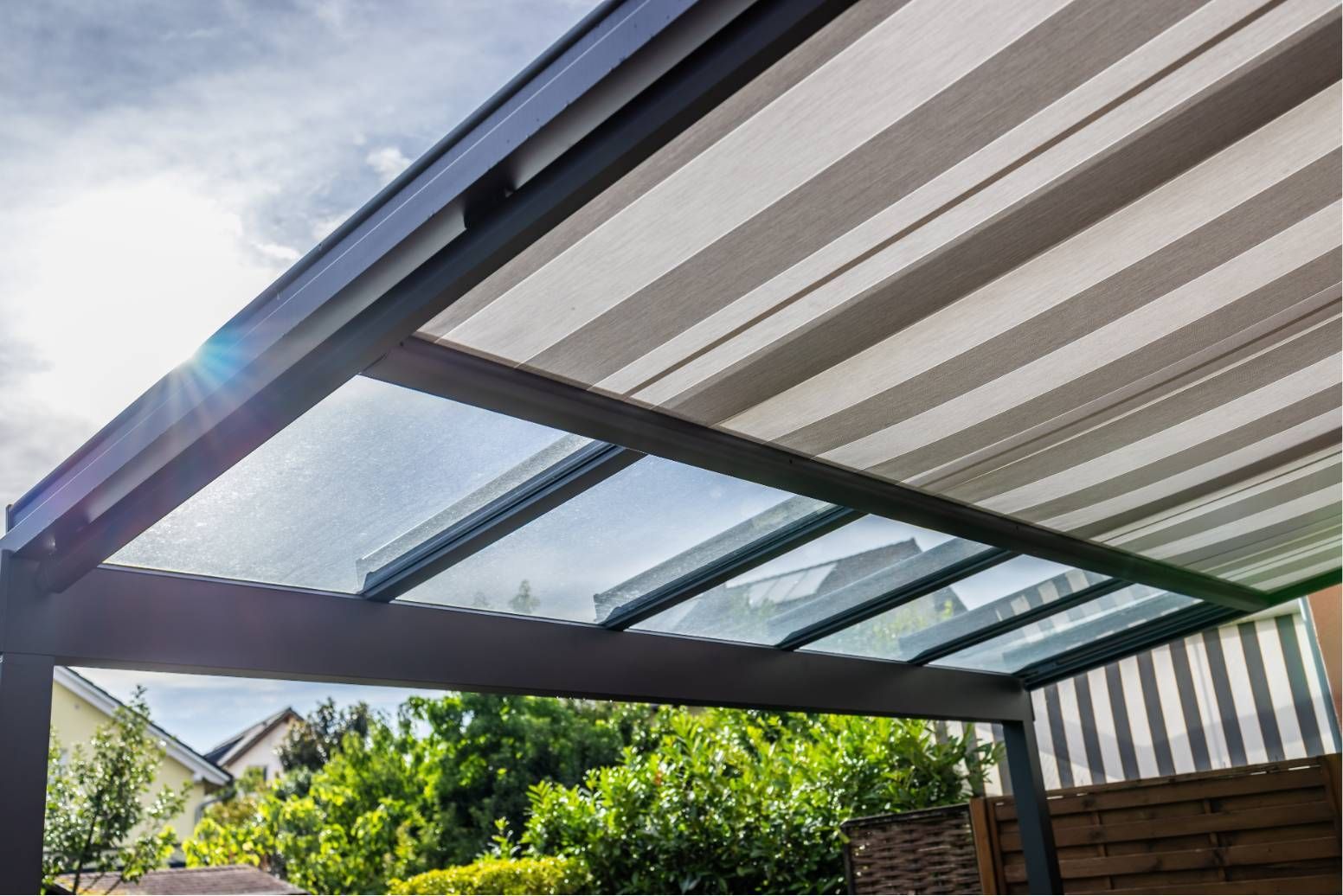
Install exterior wall canopy
Old-fashioned retractable eaves or galvanized iron canopies are often poorly designed and made with rudimentary materials, and in some cases, they may even involve asbestos tiles. Over time, they fall into disrepair or are prone to collapse during strong winds and heavy rains, posing a safety hazard. If designed and installed as a small-scale engineering system, safety can be greatly improved.
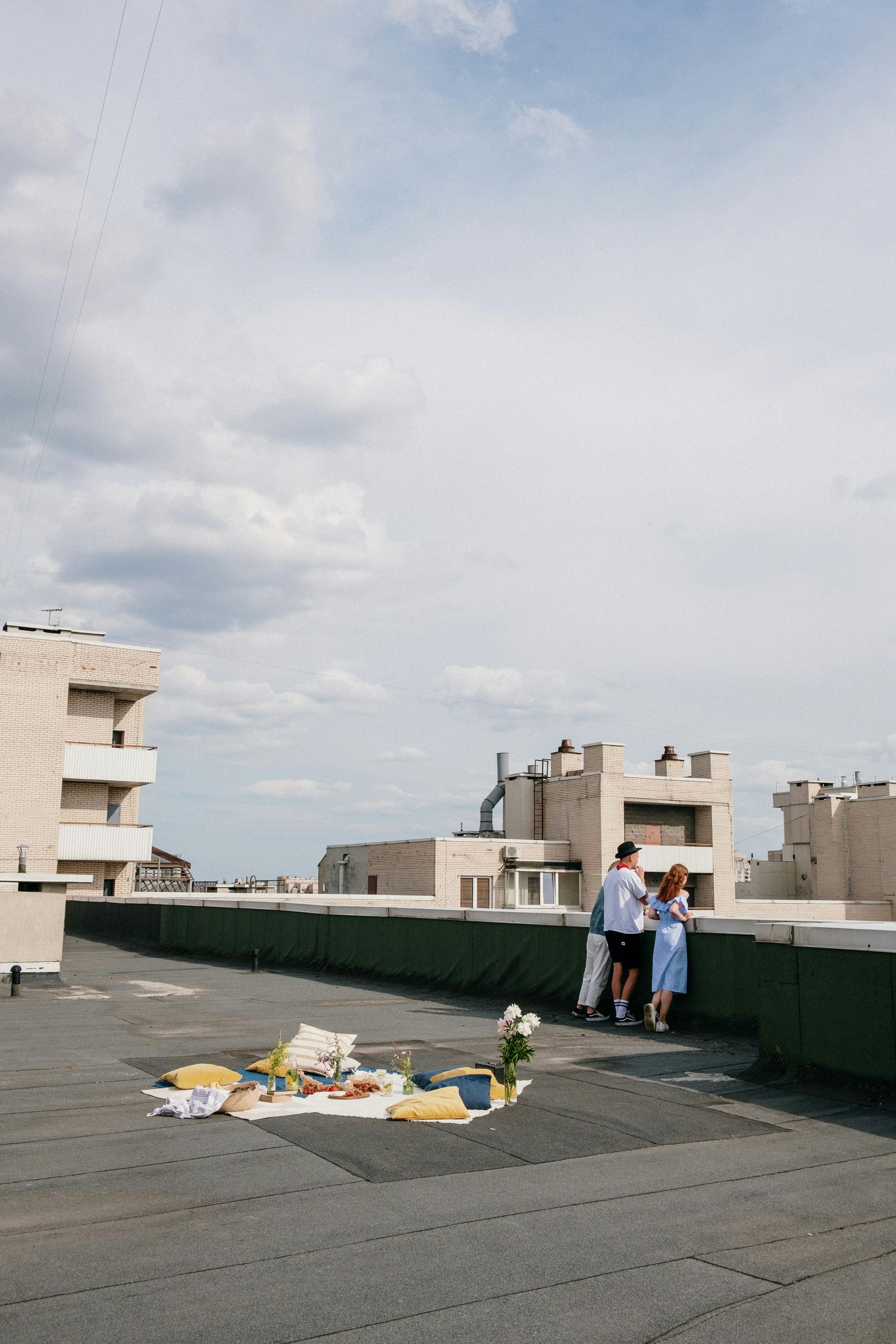
Covering the open-air rooftop
The most typical examples are the rooftop huts of old tenement buildings and factory buildings. During storms, these huts not only pose a danger to the residents but also to public safety. Such rooftop huts, whether for formal additions/alterations or minor works, are not permitted. The only correct course of action is to demolish and restore the huts as soon as possible to avoid further prosecution by the Buildings Department.
10
11
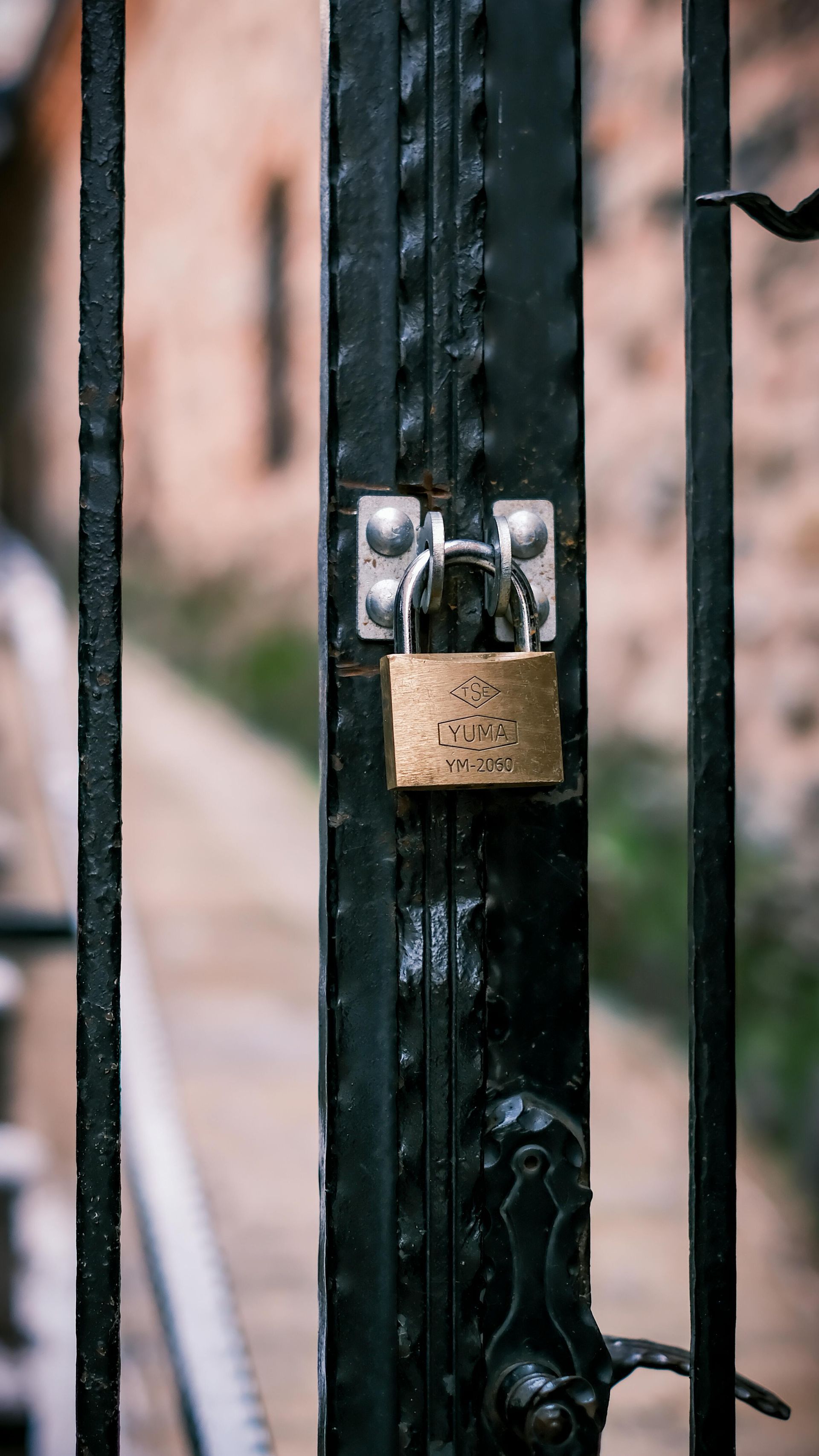
Install building iron gate
Some older buildings did not originally have iron gates at the entrance to their ground floor lobby. For security reasons, some buildings will install them themselves. In some cases, if the newly installed iron gates do not meet the requirements for fire escape routes, they will affect the escape routes in case of fire. If the Buildings Department issues an order, they need to remove and restore them.
Residential room spacing
Due to the high property prices in Hong Kong, some people who cannot afford the high prices choose to live in subdivided units, commonly known as "subdivided flats." These subdivisions affect fire compartments, fire escape routes, water pipes, and the number of windows, especially if the unit is located in an industrial building.
12
