

AP/RSE/RI services
The services provided by authorized professionals (APs) include:
Handling various Buildings Department statutory orders:
Provide professional advice to affected property owners, assist them in understanding the contents of orders, developing response plans, and follow up until the Buildings Department's requirements are met. These include demolition orders, repair orders, building survey orders, drainage and underground pipe survey/repair orders, mandatory building inspection (MBIS) and window inspection (MWIS) notices, and various fire safety instructions and orders.
Signing and supervision of Level 1 minor works projects:
Prepare all necessary documents, compile a supervision plan, and conduct regular inspections according to the plan. After completion, verify the project data and as-built documents.
Structural design and calculation:
Collaborate with Registered Structural Engineers (RSEs) to provide structural drawings, structural calculations, and construction details to ensure the project meets safety and load-bearing requirements.
Professional support for food and beverage licenses: We provide consulting services for food and beverage license projects, handling structural safety, load-bearing and hygiene requirements.
Certificate of Compliance with License Plate Signing:
On behalf of the owner, sign official food business license compliance certificates and relevant certificates such as A, B, C, Class I, and Class II certificates.
Residential and commercial renovation and structural consultant:
We oversee interior design plans for residential, office, and commercial buildings, reviewing whether they involve structural changes, alterations to use, or impact on fire safety/ventilation requirements, and providing professional advice on whether the designs comply with the Buildings Ordinance and related regulations.
The services provided by Registered Inspector (RI) include:
Mandatory Building Inspection System (MBIS) will be monitored throughout the entire process:
Arrange inspections for buildings that have received notices from the Buildings Department regarding the mandatory building inspection scheme, and submit detailed investigation recommendations and inspection plans.
Inspection of unauthorized structures and common areas:
Inspect the building's common areas and unauthorized exterior structures, compile a list of issues and corresponding repair recommendations.
Inspection and repair document processing:
Within 7 days of the completion of the inspection, submit the inspection report, inspection certificate and repair proposal to the Buildings Department, and prepare a repair plan.
Supervise the specified repair works:
The building was supervised throughout the entire renovation process, and a completion report and certificate of completion were submitted to the Buildings Department upon completion.
Building condition survey and inspection of violations:
Conduct a condition survey of existing buildings to identify unauthorized buildings (UBWs) and perform a gap analysis to check whether existing buildings comply with current laws and regulations.
Defect investigation, testing, and repair solutions:
Responsible for defect identification, investigation and related testing, proposing appropriate repair solutions, supervising construction methods and conducting proof tests to ensure repair effectiveness and structural safety.
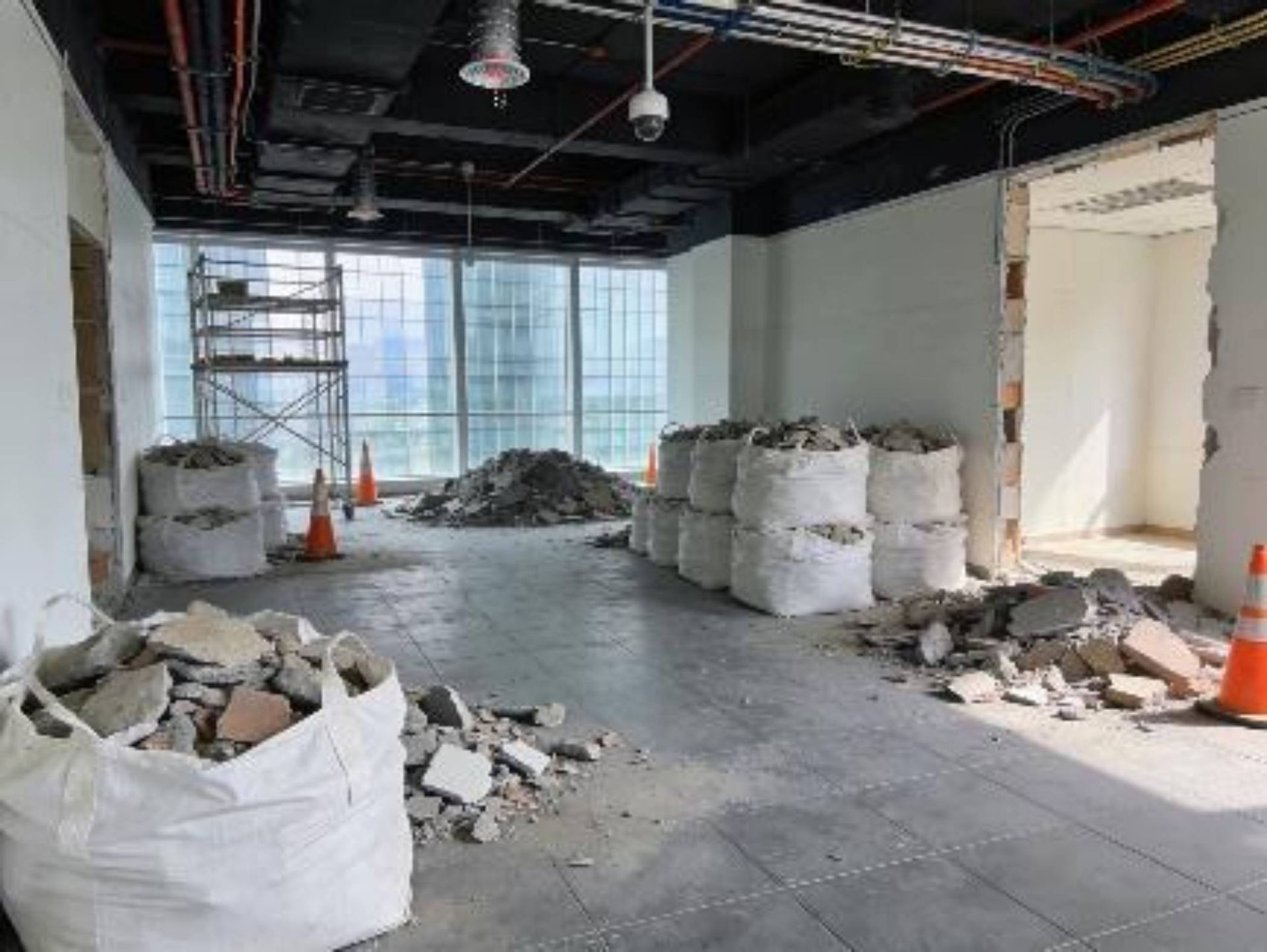
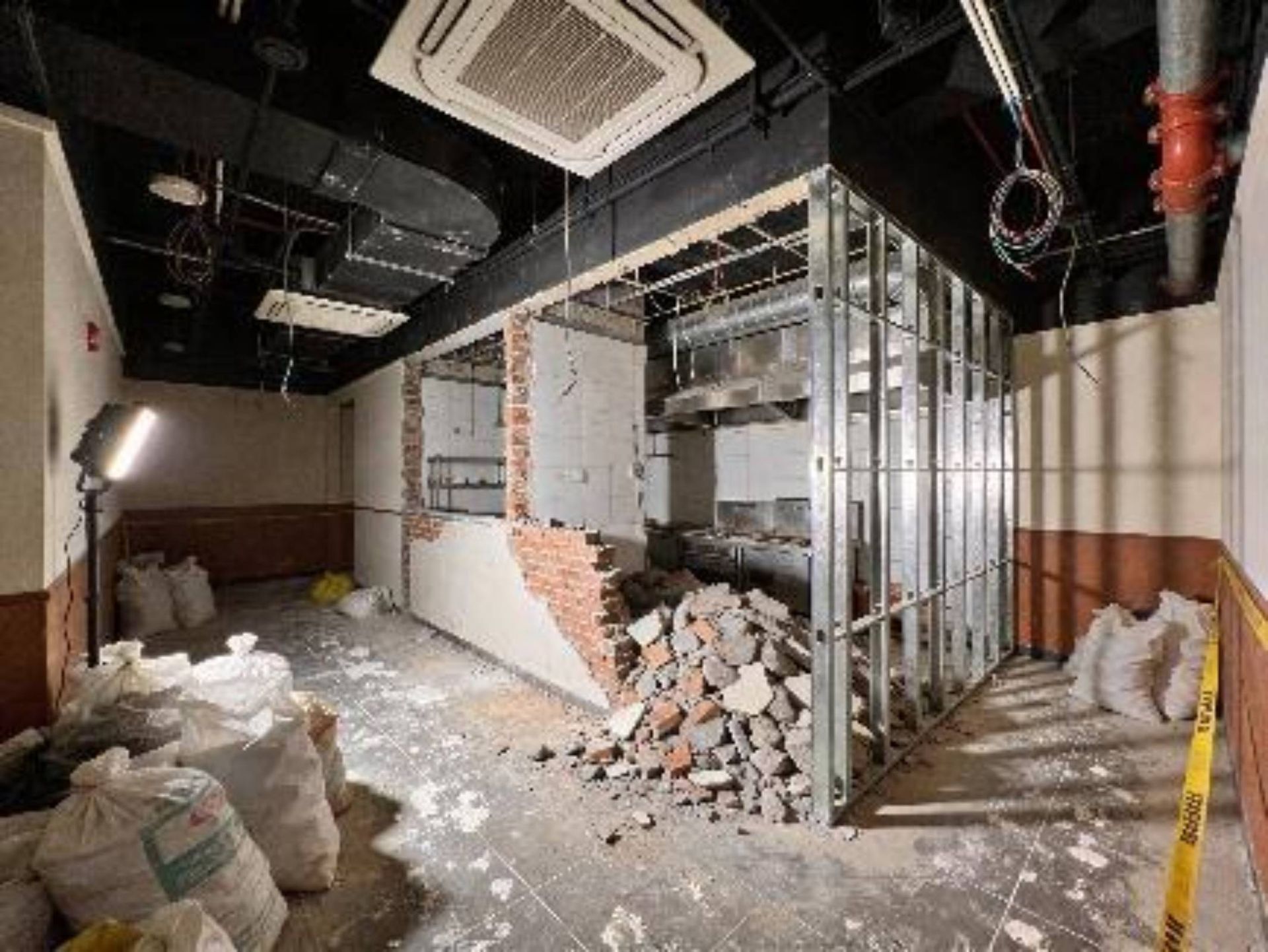
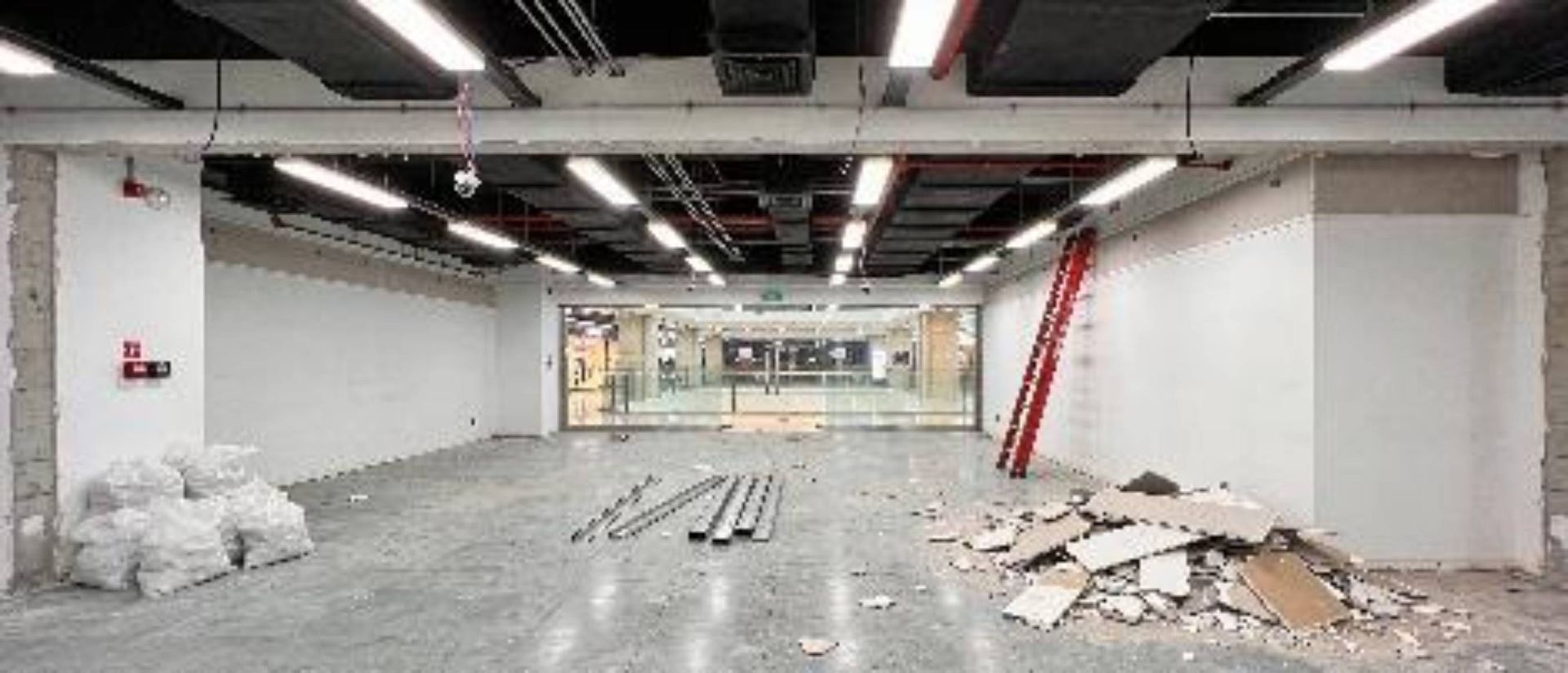
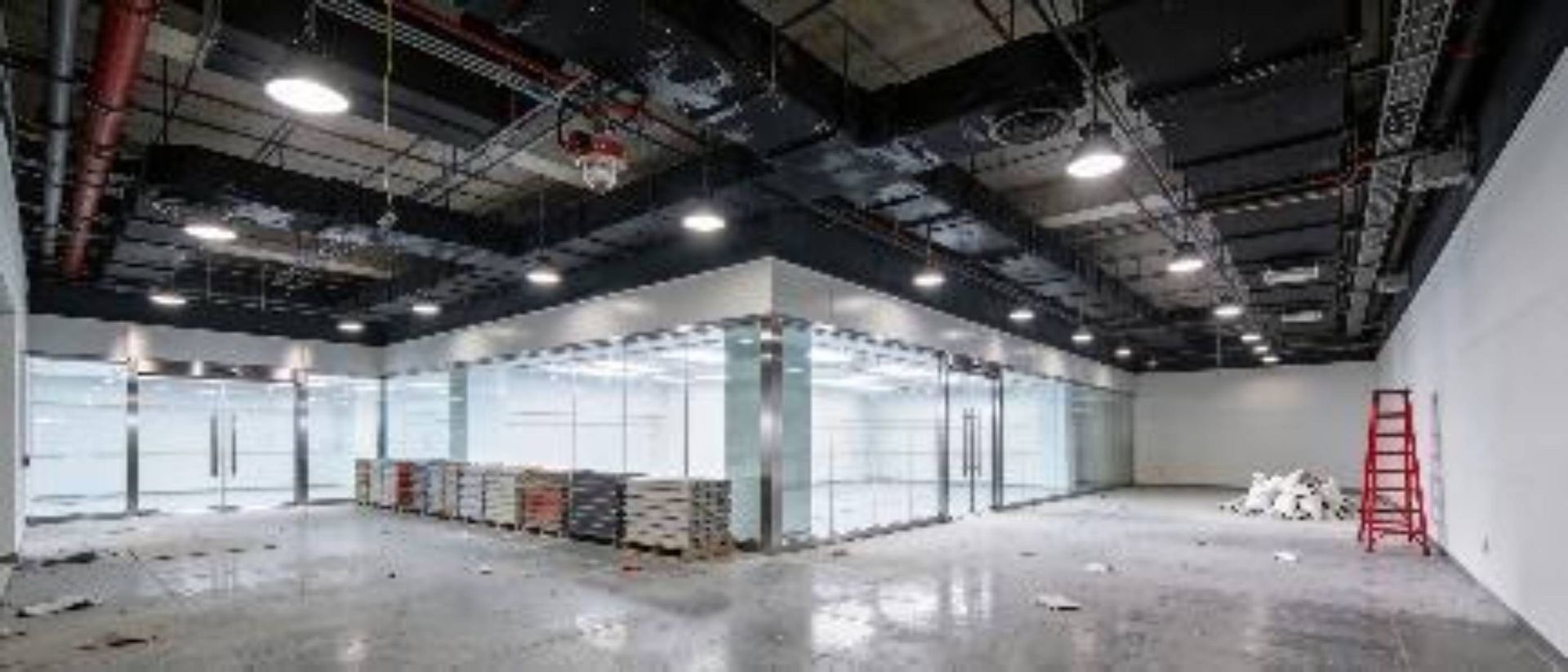
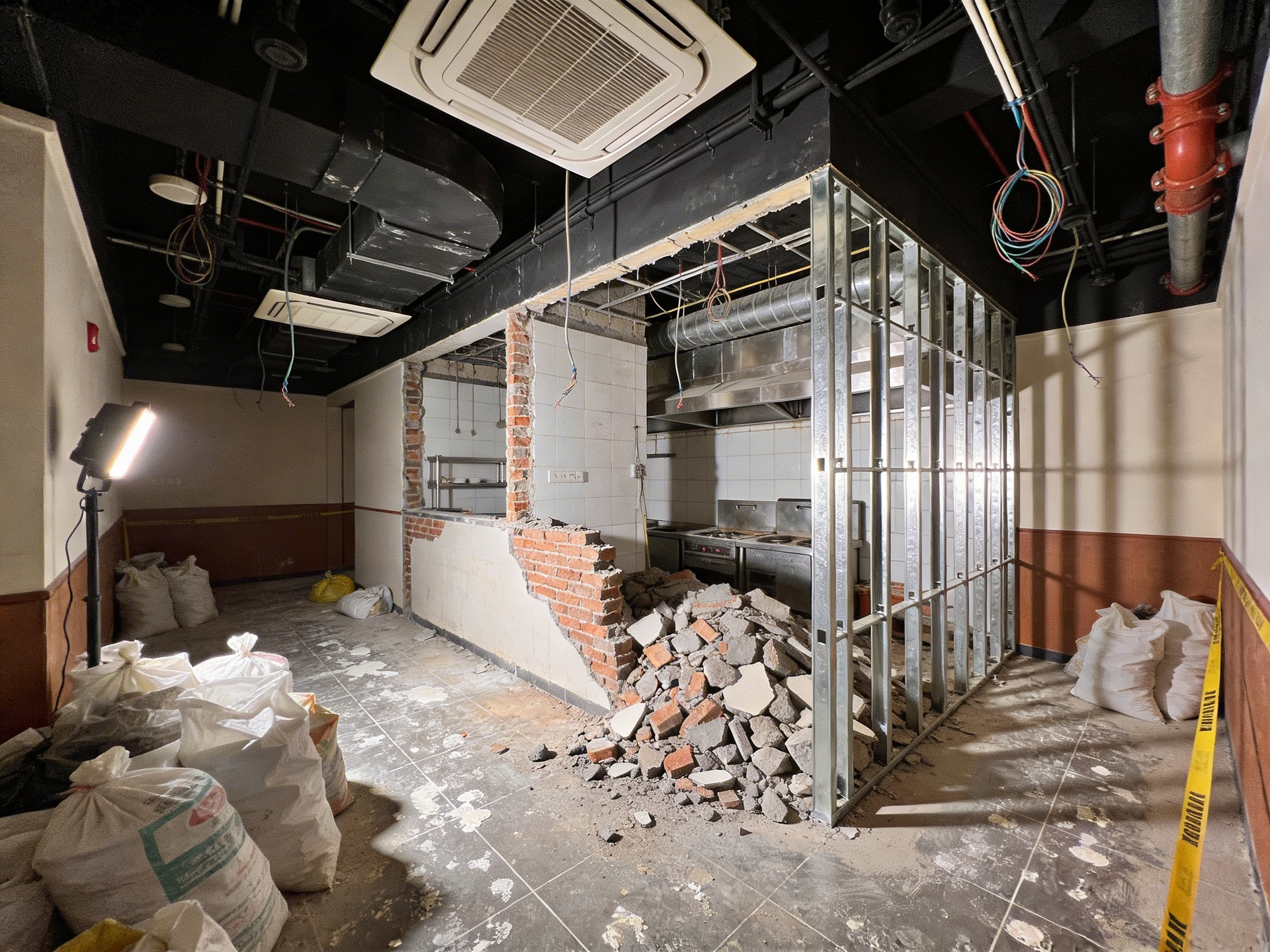
Restoration and demolition work
In Hong Kong, commercial leases generally require "return to original condition" upon lease expiration, including the removal of any additional partitions and equipment, the clearing of clutter, and compliance with the existing technical and fire safety specifications of the building or shopping mall.
If the demolition is not carried out in accordance with the Buildings Ordinance and the Minor Works Supervision System, or if it is not handled by a qualified minor works contractor, it may easily lead to disputes over rework, deposits, or even legal disputes.
Our company, on behalf of the tenants, reviews the lease and technical requirements from a professional perspective, defines a reasonable scope of restoration, and prepares a compliant and streamlined demolition plan in accordance with the regulations for small-scale projects.
Services include arranging for qualified minor works contractors to carry out demolition work and restore floor openings, cleaning and removing construction waste to compliant landfill/disposal facilities, removing unauthorized building works (UBW) and non-compliant installations, and coordinating various works to assist tenants in completing the handover within the expected time and cost.
1. Conduct on-site surveys, assess the situation, and develop a route map.
Before each case begins, the AP/RSE/RI conducts a site survey and document review to define the engineering and building conditions from a technical perspective.
- Review the approved plans, approval history, leases and fit-out manuals, and compare them with the Buildings Ordinance and related regulations.
- On-site inspection of structural safety, load-bearing capacity, fire safety, and electromechanical impacts; identification of unauthorized buildings (UBW) and potential risks.
- For cases involving structural alterations or minor works, a stability assessment will be arranged, and a BA6 structural stability certificate or similar technical certification will be signed as needed to confirm that the building is suitable for the proposed works.
- Clarify which projects must be demolished/declared/submitted with plans, and which can be retained through technical justification and remedial measures (such as the Small-Scale Comfort Facility Inspection Program).
2. Design, drawings, and submission to BD
After clarifying the scope of the project, we are responsible for translating the requirements into an engineering solution:
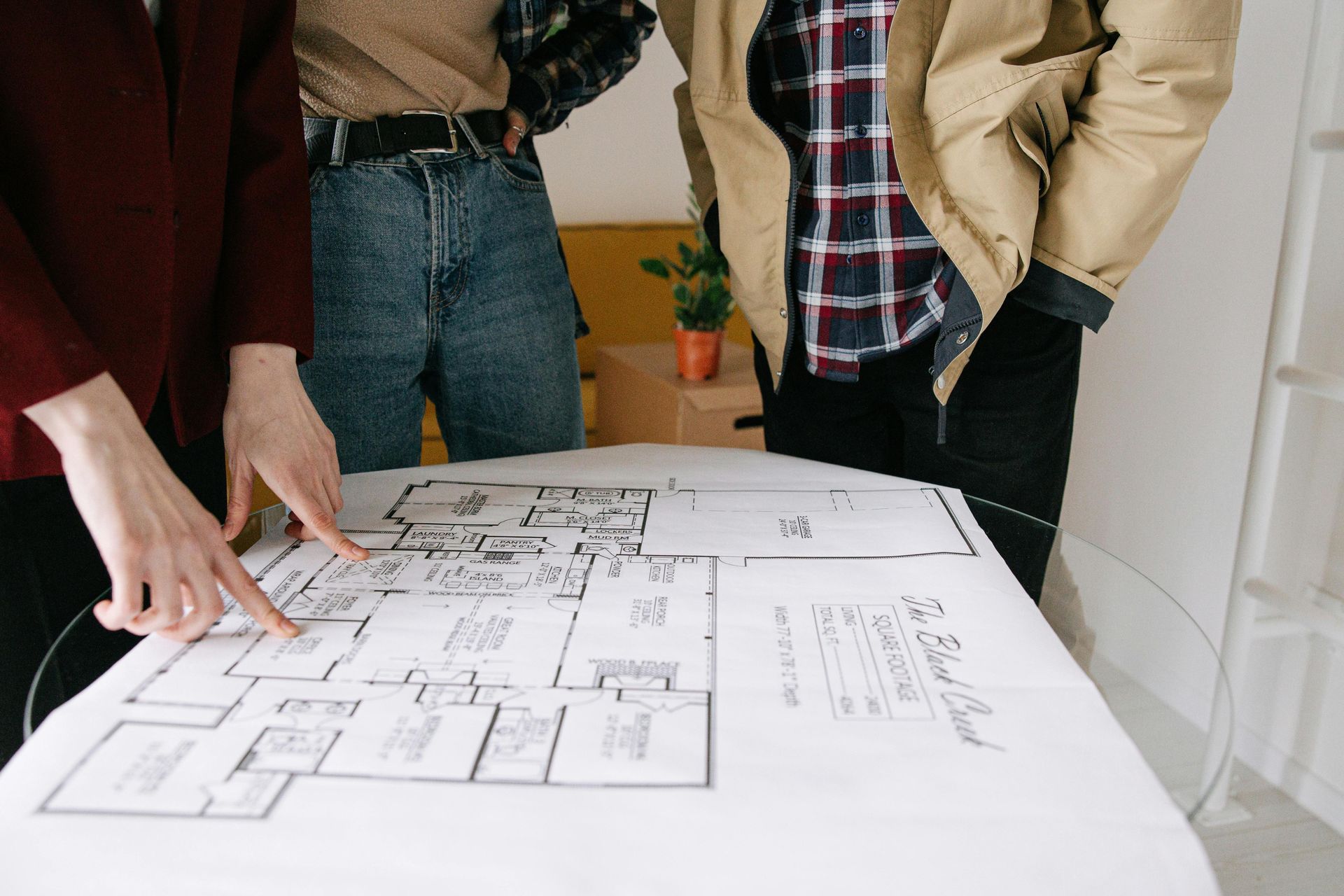
- Prepare MW forms, location plans, detail sketches, and other documents for small-scale projects that require declaration, or prepare general building plans (GBP) as needed.
- Prepare a supervision plan, specifying the frequency of inspections, testing requirements, record-keeping methods, and division of responsibilities.
- The client's representative communicated with Buildings Department staff in advance regarding design principles and construction methods.
- Prepare briefings and explanatory materials as needed by clients: Prepare briefings, plan summaries and technical specifications for owners' corporations, corporation members, neighboring residents, major owners or other relevant stakeholders, clearly explaining the scope of the project, construction arrangements, potential impacts and corresponding mitigation measures.
- Prepare a project schedule and construction plan: Prepare a work program according to the nature of the project, site limitations and legal procedures, explaining the work procedures at each stage, the expected construction period and key milestones, so as to facilitate the communication of the overall arrangements to the Buildings Department, the owner or other relevant parties.
- Providing technical justification for extension applications: If the project is affected by site conditions, coordination constraints, additional inspections, weather, or other reasonable factors, we can compile the technical background and progress justification to provide professional support and written explanations for applying to the Buildings Department for an extension of time (EOT).
3. Project supervision, testing, and completion certification
After construction begins, AP/RSE/RI will monitor the project implementation according to the supervision plan.
- Regularly inspect construction sites to check whether construction is carried out in accordance with approved drawings, structural calculations, and small-scale project supervision systems.
- Arrange and/or witness load-bearing tests, material tests, weld and concrete block tests, hydrostatic tests, etc., and compile test reports.
- Provide construction method guidelines and technical audits for dismantling and restoration works (such as filling floor slab openings, structural reinforcement, and removal/repair of UBW).
- Upon completion of the project, verify the as-built documentation and as-built information, sign the completion certificate, minor works certificate, and relevant structural certificates, and submit them to the Buildings Department or the major owner/property management company as needed.
4. Opinions and dispute resolution from homeowner representatives and experts
Many cases involve Buildings Department orders, water seepage/damage disputes, etc., requiring a neutral and professional technical stance:
- As the AP (Agent Property Owners' Association) representative, in response to inquiries from the Buildings Department, mandatory building/window inspection schemes, and demolition/repair orders, we proposed technically feasible alternatives.
- As an expert witness, conduct an investigation and damage assessment, arrange necessary tests (such as seepage tests and non-destructive testing), and prepare and provide an expert report.
- In the event of structural damage, water leakage, or disputes concerning engineering quality, provide expert reports and expert witness opinions, and appear in court/attend arbitration or mediation meetings when necessary.
Removal to Repair: Make it possible to hand over the key, rather than leaving only the shell
Restoration is not just after demolition, the last paragraph is the most critical:
- Plastering and filling gaps, finishing skirting boards, applying fireproof sealant and sealing edges.
- Restore temporarily removed or altered potentials, hoses, and fire-fighting equipment as required
- Major cleaning to ensure that at the time of handover the owner sees a clean, level, ready-to-use space
We will arrange for the project manager to accompany you and the owner/management for joint acceptance. Any small details will be recorded on the spot.
One-stop shop but consultant-first: help you save work, not add materials
Throughout the process, you no longer need to find demolition workers, painters, or electricians on your own.
We will coordinate with long-term demolition and renovation teams, electrical technicians, first-class plumbers and other relevant registered professionals as needed, and the project will be led by consultants, rather than by contractors.
- We define the reasonable scope of dismantling and construction methods to ensure compliance with the lease and regulatory requirements, rather than simply following the contractor's engineering suggestions.
- For locations where responsibility is unclear (such as when the pipes were added, or whether the air conditioning equipment belongs to the owner or the previous tenant), a written opinion will be issued by a qualified professional, which can serve as a technical basis for future disputes if necessary.
- The cost and construction period are based on the principle of "safe and compliant handover", avoiding unnecessary or excessive restoration work.
You reduce travel and repeated communication, avoid unnecessary engineering costs, and obtain a relatively clear and predictable processing flow.
Applicable to: everything from residential to large commercial properties
Restore projects we work on include:
- Office and office building restoration project (Grade A commercial building, industrial building, studios)
- Restaurants, cafes, and eateries will be dismantled and restored to their original state (including kitchen equipment, ventilation, and fire prevention).
- Restoration project of ground-floor shops and shopping mall stores
- Industrial building units and workshops restored
- Residential units are handed over to their original state (including self-built lofts, open-plan layouts converted back to two-bedroom units, etc.).
If you have received a restoration request from the landlord or shopping mall, but are not clear about the actual scope of the dismantling and restoration, you can first invite us to review the lease terms, fit-out/as-built plans and site conditions to clarify your actual responsibilities under the contract and law, and then determine the scope of the required works.
Our technical assessments and engineering solutions are based on the "LeastWork" principle, aiming to complete the restoration of the contractual requirements at the lowest possible cost.