


Simple House Certification Introduction
Background of the Simple Housing Certification System
There are currently about 110,000 subdivided flats (commonly known as "subdivided flats") in Hong Kong, involving about 220,000 households. In order to comprehensively and orderly address the problem of subdivided flats, the Chief Executive announced in the 2024 Policy Address the establishment of a "simple housing" regulatory system through legislation.
The Simple Housing Bill was passed by the Legislative Council on September 26, 2025, and was gazetted as the Simple Housing Ordinance (Chapter 658) on October 3, 2025, and officially came into effect on March 1, 2026.
Under the "Simple Housing" regulation system, subdivided units in residential buildings must meet a series of minimum living standards and obtain "Simple Housing" certification before they can be legally rented out for residential purposes. This is to ensure that subdivided units provide a safe, hygienic, and reasonable living environment. Anyone who rents out an uncertified subdivided unit will be subject to criminal liability.
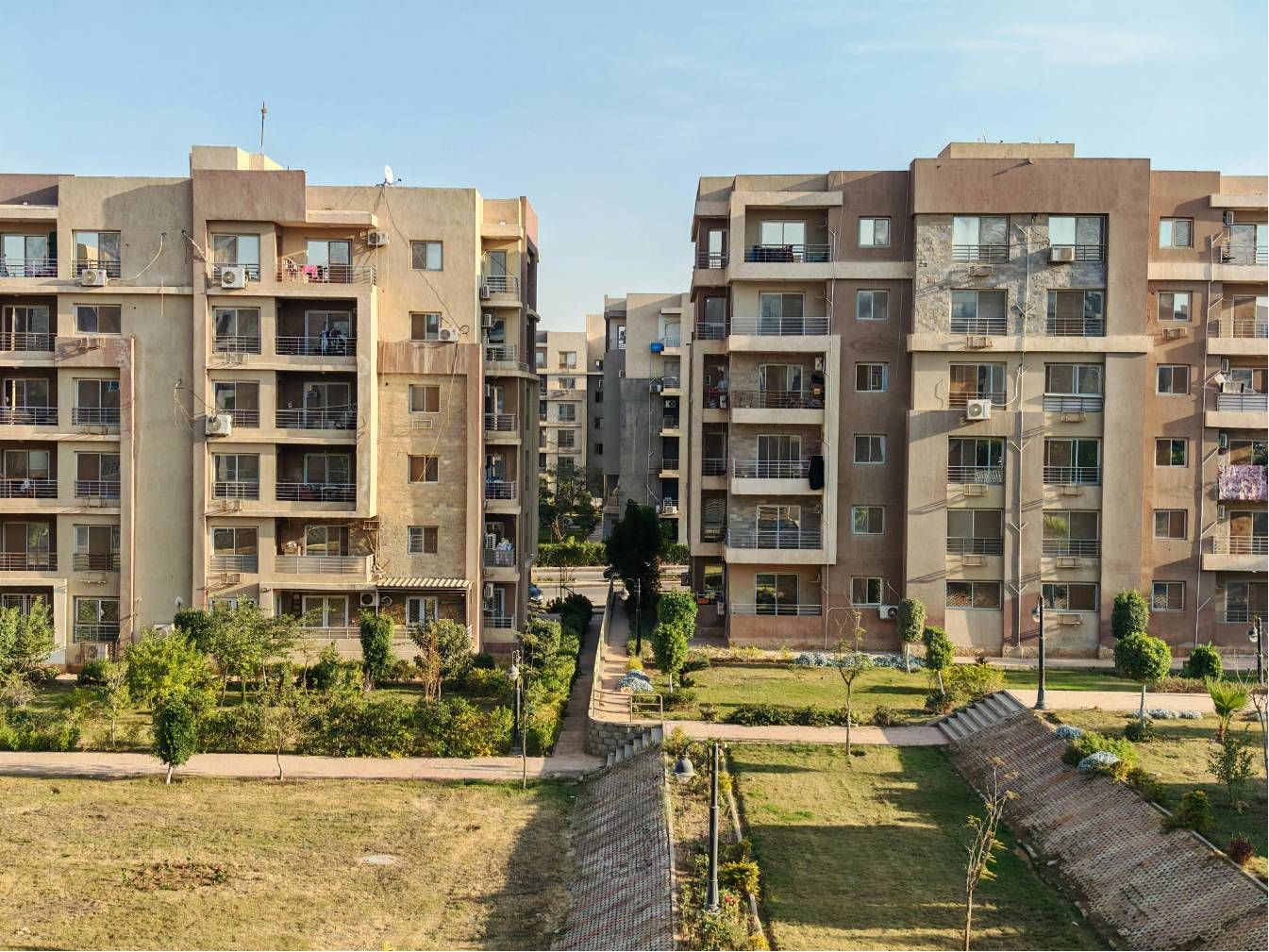
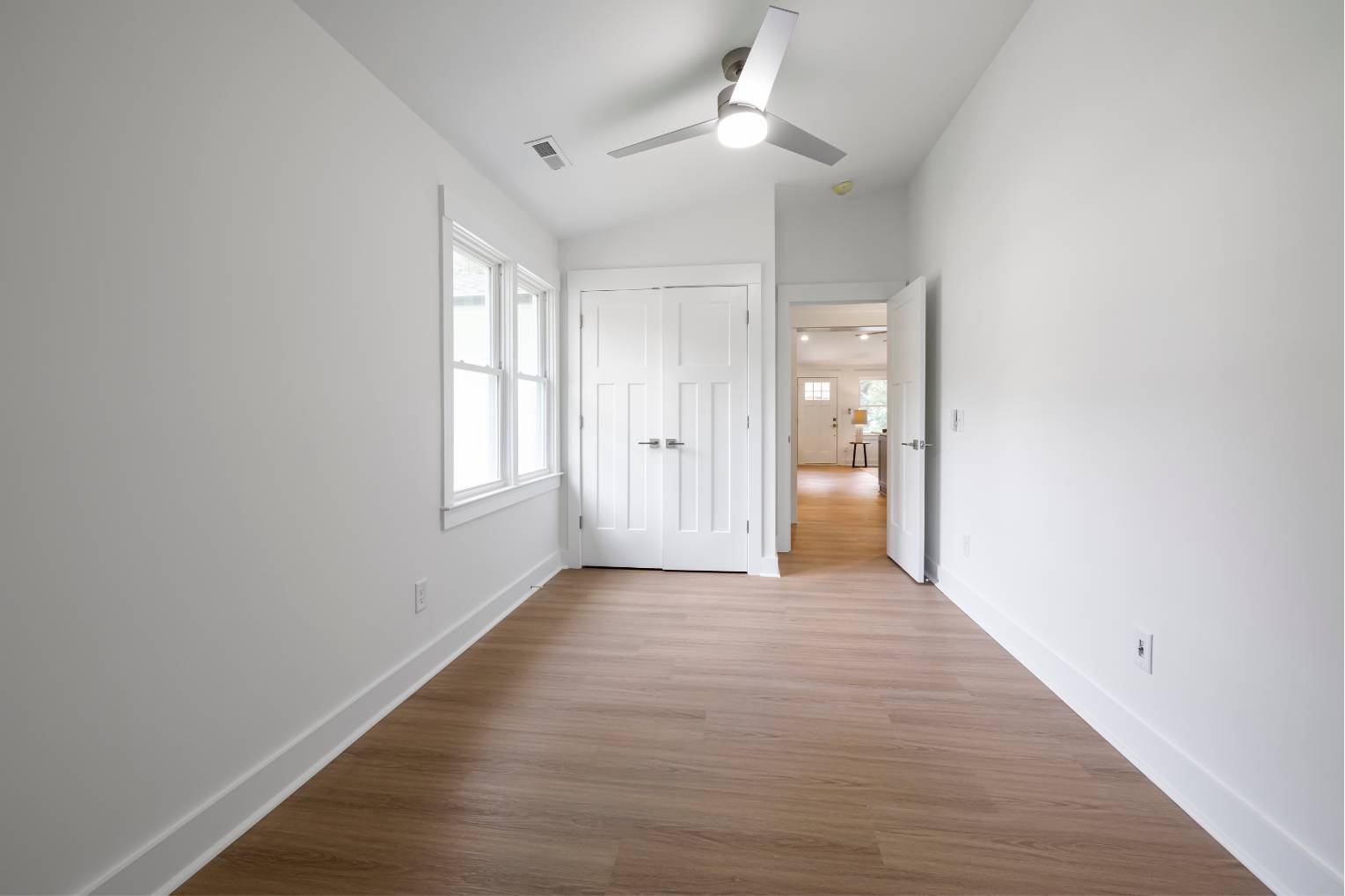
Simple housing regulations and management scope
Under what circumstances are "simple housing" regulated?
According to the Simple Housing Ordinance (Chapter 658), a residential unit falls under the "Simple Housing" regulatory system if it meets both of the following conditions:
1. The residential units were previously divided into rooms using partitions or materials, resulting in a layout that differed from the original building plans; and
2. A subdivided residential unit has two or more enclosed partitions designed for independent residential rental purposes.
Simply put, if your unit has ever been "roomed" and has two or more separate rooms used for rent, it is subject to the "simplified housing" system.
Who should bear legal responsibility?
Landlords, sub-landlords, real estate agents, or relatives of landlords who enter into lease agreements with tenants or collect rent from them will face criminal charges if they illegally rent out unregistered or uncertified subdivided units. Tenants will not be held legally liable.
Examples not included in the "simple housing" regulation system
Not all subdivided rooms or shared rentals are subject to the "simplified housing" system. The following four common situations are exempt:
Example 1 — Renting out different rooms without altering the original layout plan
The residential unit did not alter the layout of the original building plans; it simply rented out different rooms within the unit to different tenants. Since the unit layout is the same as the original plans and does not involve "room subdivision," it is not subject to regulation.
Example 2 — The layout was changed, but it was only rented to one tenant.
The residential unit has been altered and differs from the original plans, but the entire unit is only rented to one tenant. Since there are no "two or more" enclosed independent rooms for rental purposes, it is not subject to regulation.
Example 3 — The layout was altered, but no monetary gain was involved.
Residential units that have been altered and differ from the original plans, but are used for other people's residence without involving monetary interests (e.g., providing free accommodation to relatives or friends), are not subject to regulation because they do not involve leasing or collecting rent.
Example 4 — Premises governed by other regulations
Some premises are already regulated by other laws, for example:
- Illegal subdivided units in industrial buildings (regulated by the Town Planning Ordinance)
- Illegal structures (regulated by the Buildings Ordinance)
- Bed-spaced apartments (regulated by the Bed-spaced Apartments Ordinance)
These properties are already governed by their own laws and are not included in the "simple housing" regulatory system. If you are unsure whether your unit is subject to regulation, please contact us for a preliminary assessment.
Processing simple house certification
Simple Home Certification Process | Eight Steps
Step ① Initial Consultation
- Owners, please contact us and provide your unit address and basic information.
- We have a preliminary understanding of the number of units, current condition, and whether there are any known issues

Step ② On-site inspection
- We visited in person
- Inspect each unit: area, ceiling height, windows, ventilation, toilet
- Inspection of the building's common areas: corridors, staircases, atriums/light wells, and locations of water and electricity meters.
- Check for uncomplied statutory orders or clearance orders
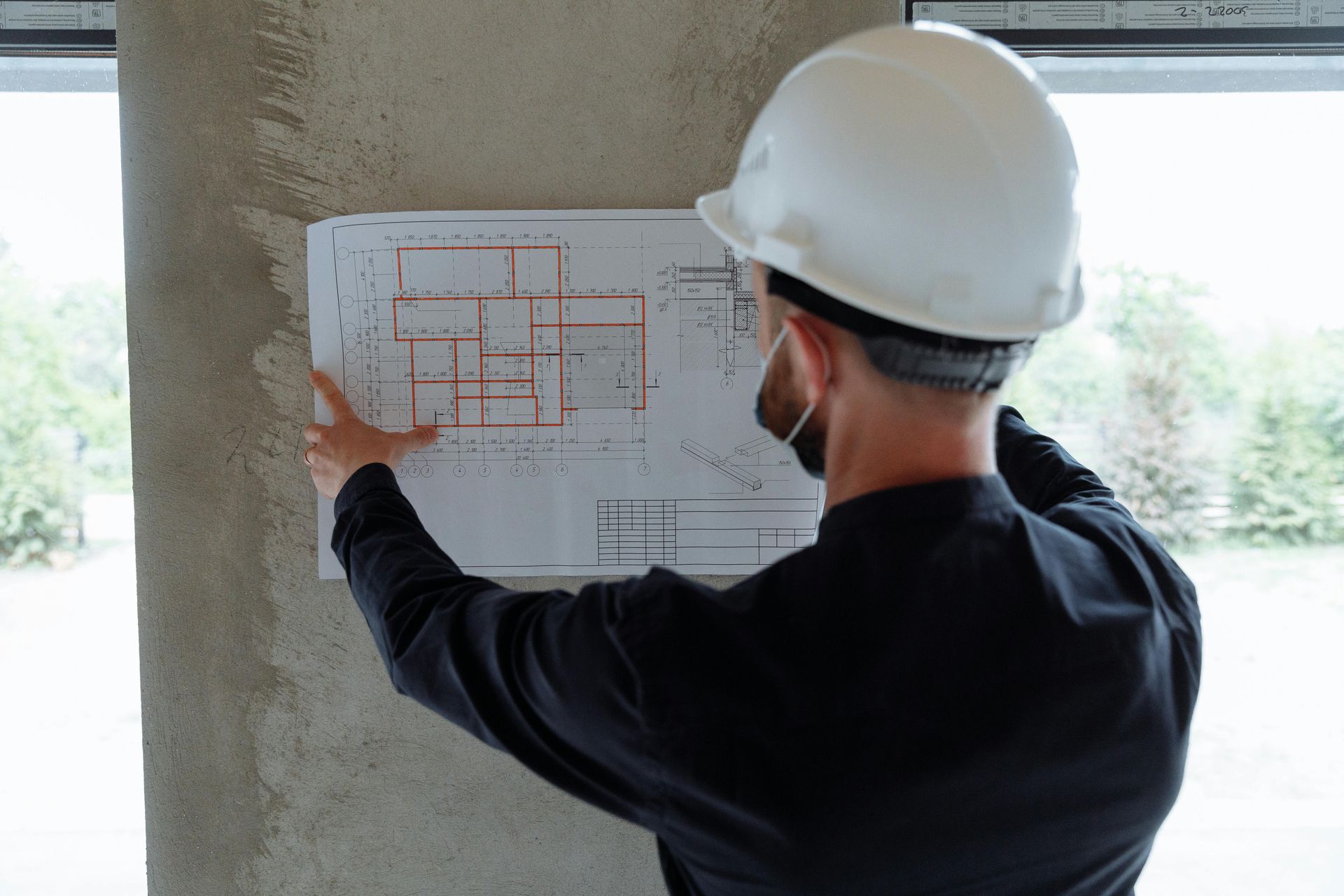
Step ③ Feasibility Assessment Report
- We conduct assessments to see which units can work and which are struggling
- Item itemizes areas for improvement and projected scope of work
- If the unit is fundamentally unsuitable (for example, there are unresolved illegal structures in the building, or some windows in the unit are completely non-compliant), we will honestly tell you that this unit is not suitable for certification.
Step 4: Follow up at the building level
This step deals with building level stuff and we assist you:
- Apply to the owners' corporation to remove obstructions or unauthorized structures in public corridors/stairwells.
- The corporation is required to arrange for the removal of debris from the bottom of the well/courtyard to ensure that there is a passageway for cleaning.
- Permission to install separate water and electricity meters in public locations in consultation with the corporation
- If necessary, assistance will be provided in submitting relevant applications to the Buildings Department, Water Supplies Department, and power companies.

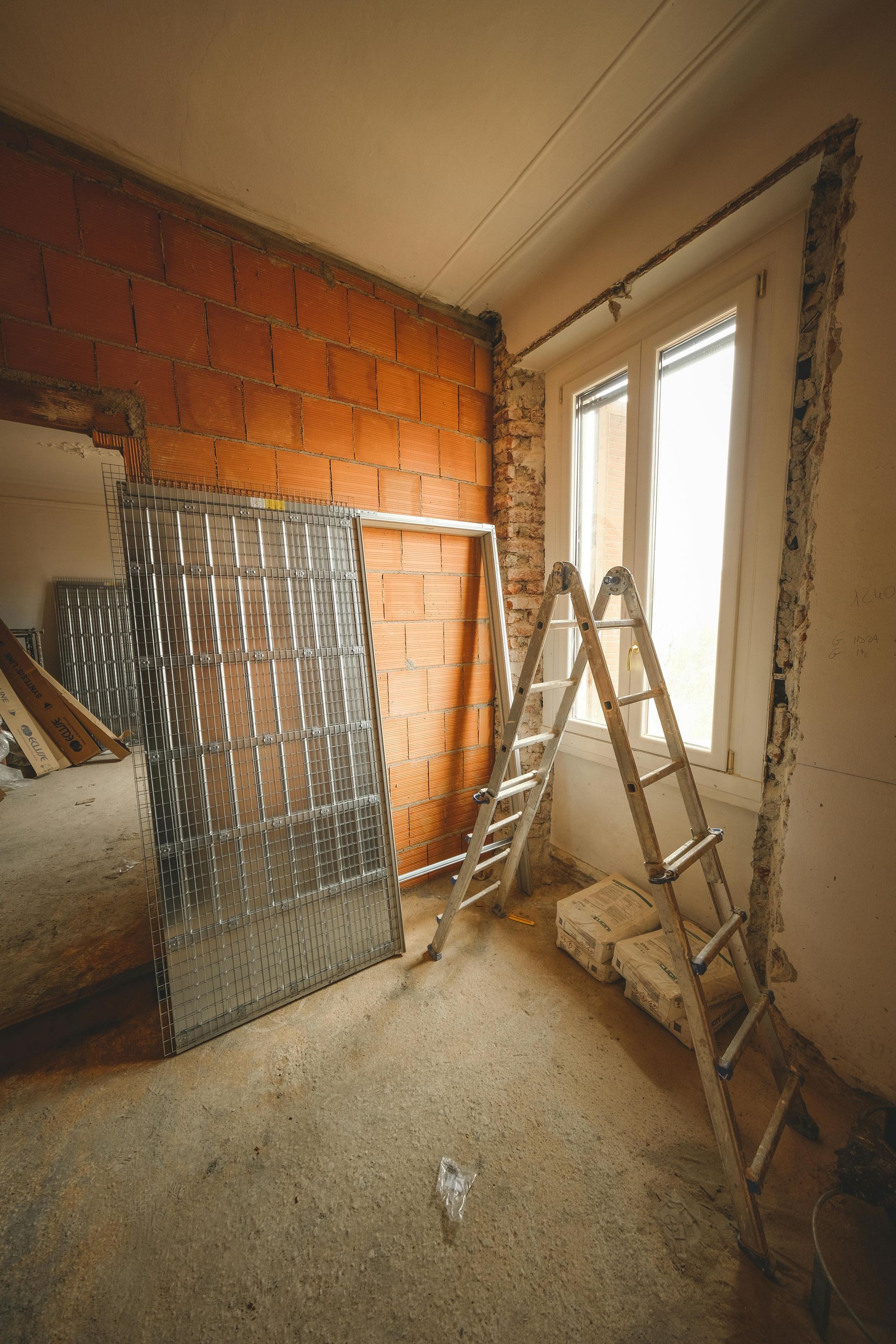
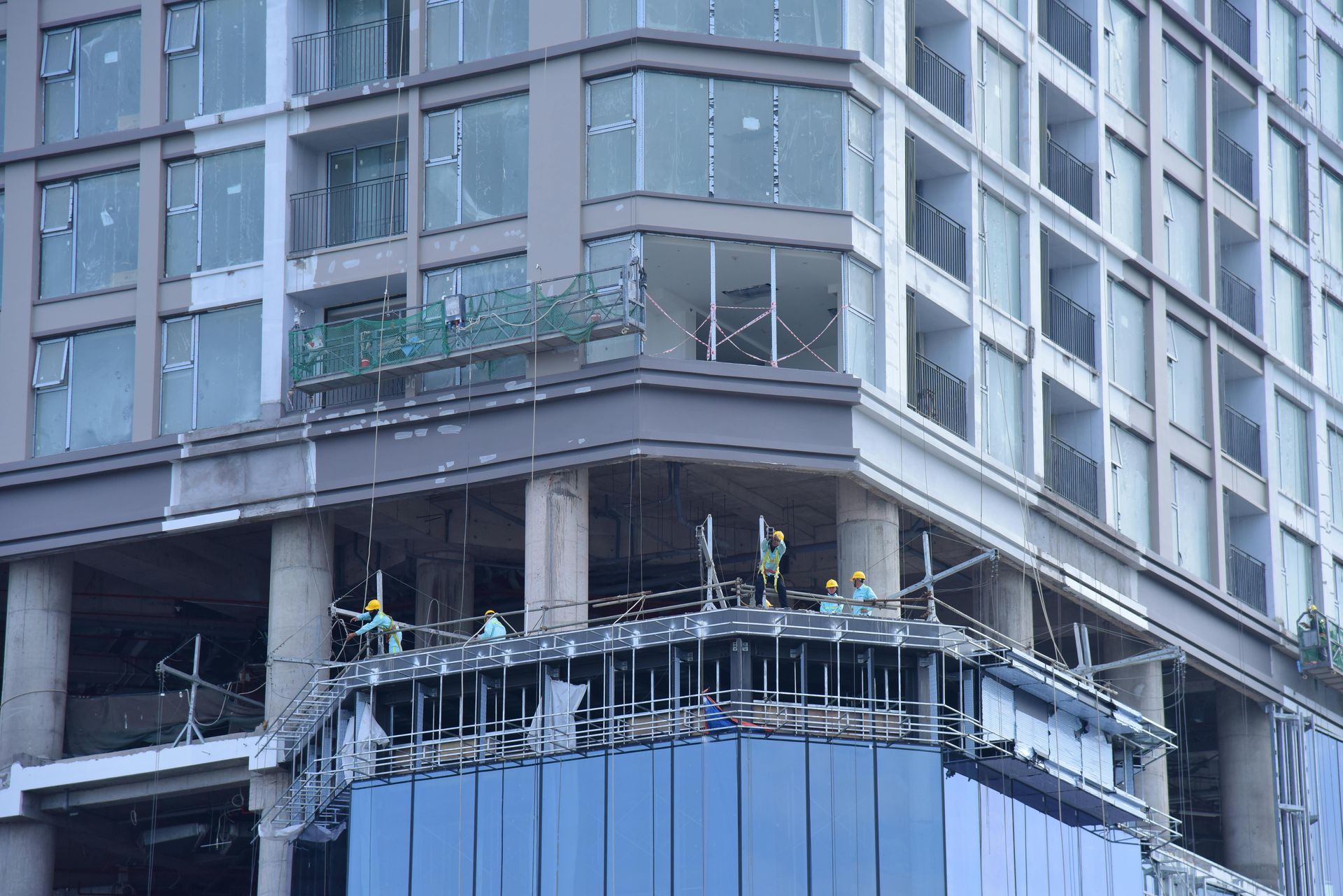
Step ⑤ Indoor Repair Work
Depending on the assessment results, this may include: installing smoke-proof doors, modifying partition walls, installing mechanical ventilation, adding separate toilets and water supply points, etc.
The homeowner can pick up:
| plan | content |
|---|---|
| Option A: We will handle it for you. | We coordinate the construction team and handle the entire process from start to finish. |
| Option B: The owner arranges it himself. | The owner finds an engineering company to carry out the work himself, and we are responsible for issuing drawings, supervising and accepting to ensure compliance with standards |
Step ⑥ Re-examination and verification
- After all the projects were completed, we visited the site again for inspection.
- Each subdivided unit has been verified to have met all minimum standards.
- If any items still fail to meet the standards, the homeowner will be notified immediately to take remedial action.
Step ⑦: Prepare the verification report
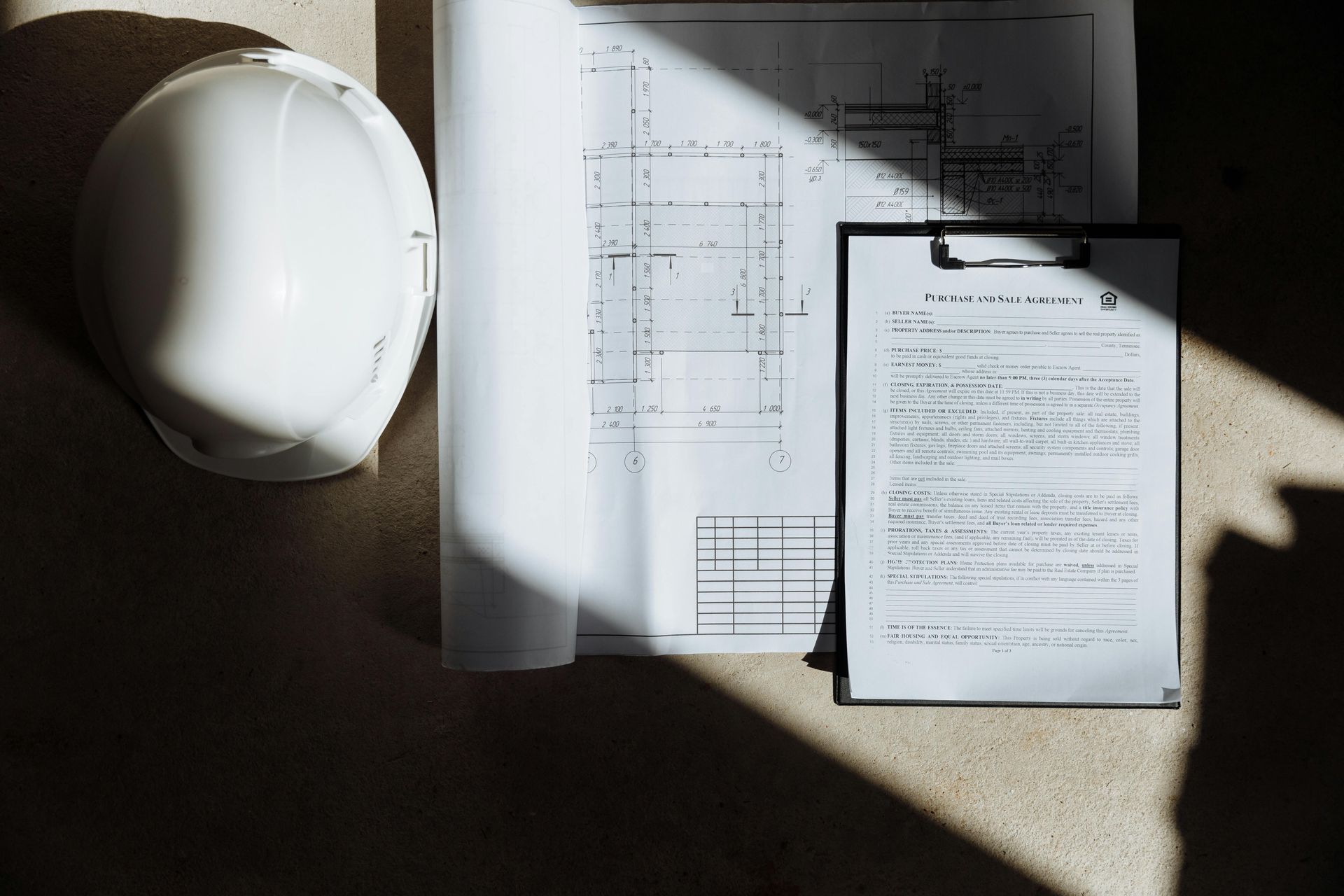
- Instruct professionals to complete the verification report (REPORT-01) according to the format specified by the Housing Bureau.
- Compile and attach all supporting documents:
- Smokeproof Door/Fireproof Door Test Report
- Fire protection equipment and fixtures certificate (FS251)
- Structural assessment report
- Ventilation assessment report (if applicable)
- Water bill with independent water meter, electricity bill with independent electricity meter
- Specify that a professional sign the confirmation.
Step ⑧ Submit certification application
- Submit the certification application form, certification report and all attachments to the Housing Bureau.
- Pay the certification fee (full exemption available for applications submitted during the first year of registration).
- The Housing Bureau issues a simple house certificate after approval.

Required documents
The following documents/materials are required for applying for/renewing "Simple Home" certification:
- Completed application form (Form BHU-01 or BHU-01A)
- Certification report from designated professionals
- The latest land register/title registration record obtained from the Land Registry
- Copy of the applicant's identity document
- Owner's written consent (if applicable)
- Proof that any statutory orders/notices/directives issued by the Buildings Department or other authorities concerning the unit or building unit have been properly complied with (if applicable).
Among the required documents, there are actually several things that the landlord himself must prepare in advance before we can help you with the verification and submission of forms:
1. Identity and ownership information
- A copy of the applicant’s (typically the owner or authorized person) ID
- Latest Land Register/Title Registration Records for the unit (available online or on-site from the Land Registry)
- If the applicant is not the owner, a power of attorney or authorization document from the owner is required.
2. Lease and basic information of the tenant
- Copy of current or recent lease (written lease if available)
- Number of tenants, rent amount per split unit and rental portion (to facilitate professionals to understand actual usage)
3. Proof of independent billing for water and electricity
- Copies of water bills for the latest installment or the last three months of each sub-unit (showing separate water meters and separate accounts)
- Copies of electricity bills for the latest installment or the last three months of each sub-unit (showing separate meters and separate accounts)
- In the case of new installation, the completion receipt issued by the plumber/electrical engineer may be kept together
4. Existing command/notification documents
- Statutory orders, advisory letters, or warning letters (e.g., demolition orders, fire safety instructions, etc.) issued by the Buildings Department, Fire Department, or other government department regarding the building/unit
- If follow-up has already been carried out, relevant completion certificates/revocation order letters should be prepared to help professionals determine whether they still affect certification.
5. Drawings and modification information (if any)
- Previous or approved building plans, drainage plans, floor plans, etc. (if the owner has a copy)
- If major renovations or alterations have been undertaken, floor plans, quotes or photos of the work can be provided to help professionals understand the scope of the changes
– You don’t need to gather all the above information at once before scheduling an inspection, but the more information you prepare, the shorter the verification time will be.
– Other technical documents (such as fire, structural, ventilation assessment reports) are usually arranged on behalf of the designated professional or their team, the client is mainly responsible for providing supporting documents and basic background information already in hand.
Verification report content
The designated professionals must verify the subdivided units and the main building units they occupy, and submit the following supporting documents:
a. Test/evaluation reports verifying that the partitions and doors between individual units and leading to common corridors meet fire resistance requirements.
b. Copy of Fire Protection Installations and Equipment Certificate (FS251)
A certificate of fire protection equipment and facilities (Form FS251) issued by a registered fire protection equipment contractor to prove that compliant fire protection equipment (such as fire extinguishers, fire detectors, etc.) has been installed.
c. Structural assessment report
The structural safety of the subdivided units is assessed by qualified personnel to confirm that the renovation work (such as adding partition walls, toilets, etc.) will not pose a danger to the building structure.
d. Ventilation assessment report for the mechanical ventilation system
If a unit or its toilet relies on a mechanical ventilation system, a ventilation assessment report must be submitted to prove that the ventilation volume meets the requirements of the Buildings (Ventilation Systems) Regulations (Chapter 123J) and related codes of practice.
e. Certificate of installation of independent water meter
- Water bill (proof that a separate water meter has been installed and a separate account has been set up)
- Certificate of completion for installation of a stand-alone water meter (issued by a licensed plumber).
f. Certificate of installation of independent electricity meter
- Electricity bill (proof that a separate electricity meter has been installed and a separate account has been set up)
Our Services
1. On-site survey unit
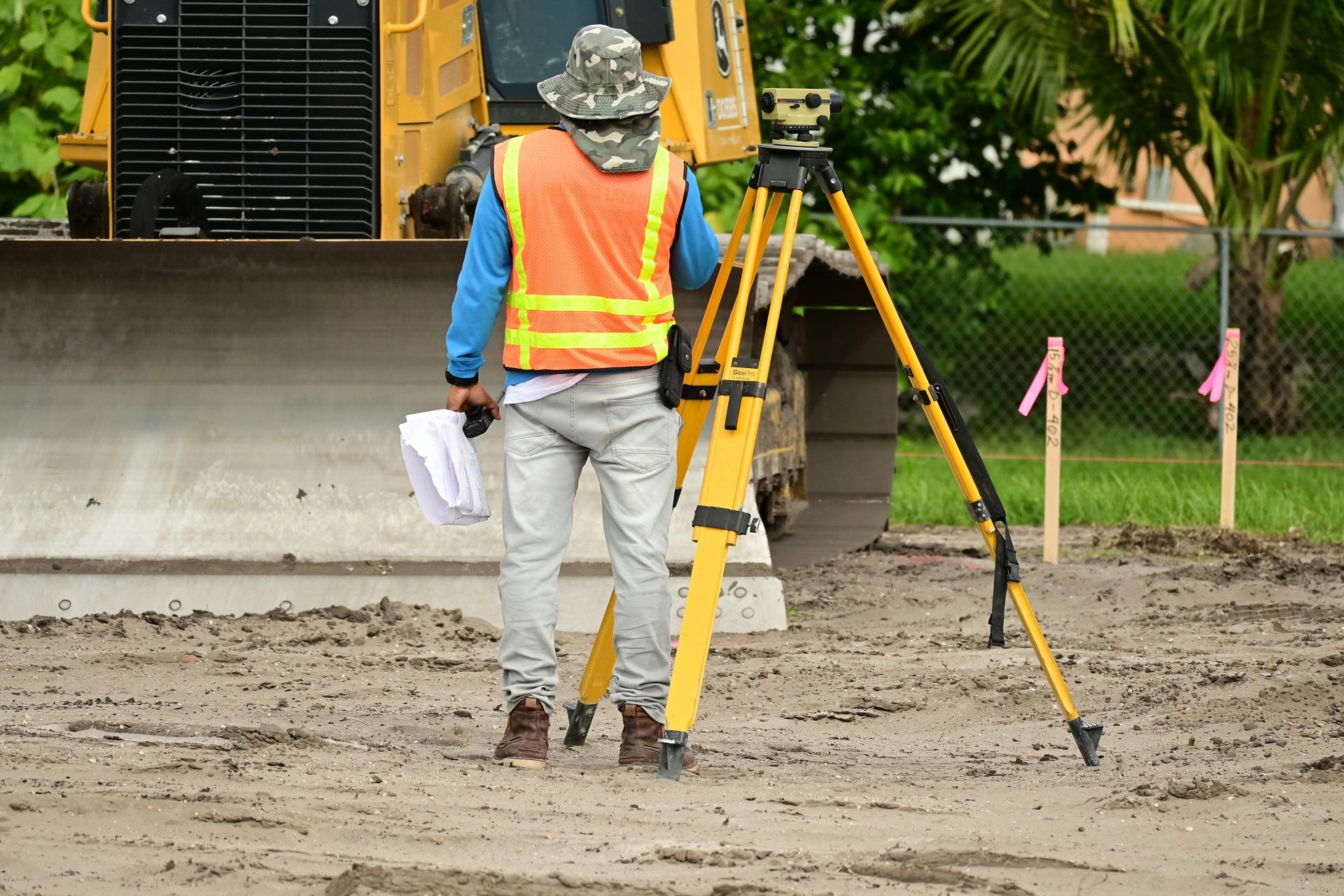
We will personally conduct on-site inspections of the sub-units and their associated main building units, including:
- Measure the area, floor height, etc., and check whether they meet the minimum area and height standards.
- Inspect the materials and construction methods of partition walls, smoke doors/fire doors/fireproof partition walls to ensure they meet the requirements for fire resistance and non-combustibility.
- Check the fire escape routes at entrances and exits, as well as the conditions of public corridors and stairwells.
- Inspect toilets, water supply points, drainage, and ventilation, including natural lighting/ventilation or mechanical ventilation systems.
- Check whether separate water and electricity meters have been installed, and whether the relevant accounts are based on this sub-unit.
2. Verify whether it meets the "Minimum Standards for Living Environment".
In accordance with the Simple Housing Ordinance and the technical requirements stipulated by the Housing Bureau, we will verify whether the unit meets the following "minimum standards":
- The floor area of each subdivided unit shall not be less than the prescribed minimum.
- The net height of the building floor shall not be less than the prescribed standard.
- The unit has its own toilet and water supply point.
- The unit has sufficient natural lighting and ventilation (natural or mechanical ventilation that meets specifications).
- There are no obvious structural safety hazards in the unit or building.
- Independent water and electricity meters have been installed, and water and electricity bills are available.
- The relevant fire protection, fire separation and fire escape arrangements comply with current standards.
If any areas are found to be substandard, professionals can be instructed to provide improvement suggestions to the homeowner, and a re-inspection will be conducted after the project is completed.
3. Prepare and sign the "Certification Report"
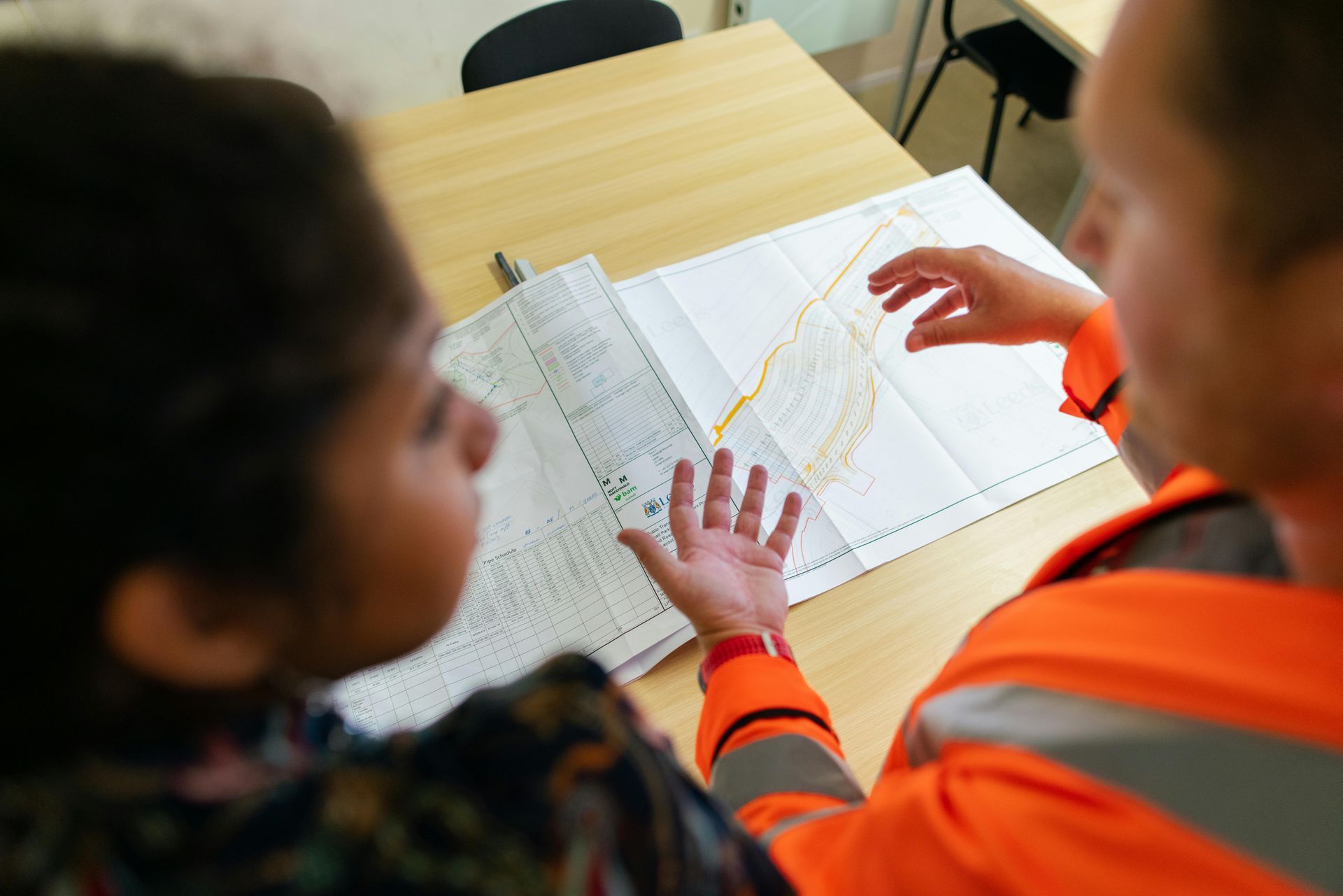
After the inspection and verification are completed, designated professionals must fill out and sign the "Simple Housing Verification Report Form" according to the format specified by the Housing Bureau. The form includes the following:
- Confirm whether the subdivided unit meets or does not meet the minimum living environment standards;
- Please attach supporting documentation, such as:
- Test/evaluation report for smoke-proof doors/fire doors/fire-resistant partitions/non-combustible material walls;
- A copy of the certificate for fire protection installations and equipment (FS251);
- Structural assessment report;
- Ventilation assessment report for mechanical ventilation system (if applicable);
- Water bills and completion certificates related to independent water meters;
- Electricity bills from individual electricity meters, etc.
Once the certification report is completed, the homeowner shall submit it along with the certification application form to the Housing Bureau.


Minimum living environment standards
1. Area
- Each unit has an internal floor area of no less than 8 square meters (approximately 86 square feet).
- The measurement is taken from the inside of the unit's perimeter wall, including partition walls and pillars, balconies and verandas, but excluding window sills.
2. Ground floor
- The minimum clear height from the floor to the ceiling is 2.3 meters.
- The distance from the floor level to the bottom of the beam should be at least 2 meters.
3. Fire safety
- Fire safety standards must be in line with the corresponding requirements under the Buildings Ordinance. For example, except for buildings with a single staircase, there must generally be staircases leading to at least two exits or more entrance staircases.
- If the original fire door is retained, the corridor width must be no less than 0.75 meters; if the fire door is removed or altered, the corridor width must be no less than 1.05 meters.
- Each individual unit must be equipped with an independent fire detection device, and the common areas within the relevant residential units must also be equipped with independent fire detectors and fire extinguishers.
4. Structural safety/load
- Floor slabs must meet the requirements of current laws regarding building design loads and must not have structural defects that affect safety.
- If the addition or alteration of floor slabs is involved, the design and supervision of the project must be carried out in accordance with the regulations governing small works.
5. Separate toilet and water supply
- Each unit must have its own toilet and may not share toilets in the corridor or outer corridor.
- The unit must have an independent water supply point (such as a handwashing/washing basin faucet) that complies with drinking water regulations.
6. Lighting and Ventilation
Living space:
- There must be at least one operable window with a glass area of not less than 0.1 square meters.
- Windows must face outwards: streets, alleyways, courtyards, semi-enclosed spaces, or compliant patios; if facing a four-sided enclosed patio, the lowest level of the patio must have an entrance/exit for cleaning.
- An artificial lighting system and mechanical ventilation with at least 5 air changes per hour (if the design is a mechanical ventilation scheme) must be provided.
restroom:
- If the toilet is a "dark toilet", it must be equipped with artificial lighting and mechanical ventilation that changes the air at least 5 times per hour, and use outdoor air for ventilation.

7. Water supply/waterproofing requirements
- A water supply point and basin must be provided outside the toilet, and a waterproof layer must be laid in the vicinity.
- The walls and floor of the toilet must be properly waterproofed to ensure that there is no water seepage affecting the units below or adjacent units.
- If the waterproofing installation is carried out under the supervision of a designated professional, the waterproofing layer must comply with the guidelines APP-105 issued by the Buildings Department.
8. Independent water meters and independent electricity meters
- Each unit must be equipped with an independent water meter provided by the Water Supplies Department, which may be installed within the unit or in an approved public location.
- Each subdivided unit must be equipped with an independent electricity meter provided by the power company, and the meter installation must meet the safety and height requirements of the Electrical and Mechanical Services Department.
Frequently Asked Questions
1. Scope of the Simple Housing Ordinance
The Simple Housing Ordinance (the Ordinance) applies to residential units in residential buildings or the residential portion of mixed-use buildings. The following premises are not included in its scope of regulation:
- Premises specified in Part 2 of Schedule 4 of the Ordinance (e.g., bed-and-room accommodations, hotels or guesthouses, elderly care homes, homes for the disabled, childcare centers, and treatment and rehabilitation centers for drug addicts, etc., which are already regulated by other existing statutory systems).
- Non-residential buildings (including commercial buildings and industrial buildings), or the non-residential portion of mixed-use buildings.
- Buildings or premises without "reference to building plans" (including New Territories exempted houses and squatter huts).
- Unauthorized structures built in violation of the Buildings Ordinance (Chapter 123) and located on rooftops, platforms, back alleys, courtyards, or gardens.
2. Room division, reference building plans and related concepts
"A subdivided unit" refers to a building unit in the residential portion of a residential building or a mixed-use building that is divided or re-divided by partitioning devices/materials (such as brick walls, metal panels, wooden boards, sliding partition doors, tall partition cabinets, etc.) so that its layout differs from the layout shown in the "Reference Building Plans". After the division/re-division, the building unit has two or more completely or significantly enclosed partitions and is designed for independent residential rental purposes. Each of these partitions is a "subdivided unit" under the Ordinance.
The definition of "referencing architectural plans" is as follows:
- For buildings completed before October 3, 2025 (the date the Simple Housing Ordinance is gazetted):
- Approved building plans that have been issued an occupancy permit by the Buildings Department (commonly known as an "occupancy certificate") or an occupancy approval letter by the Independent Review Panel under the Office of the Permanent Secretary for Housing, or
- Modifications or additions that have been confirmed as completed by the Buildings Department/Independent Review Panel before October 3, 2025
Approved building plans for the construction project; the latter shall prevail.
- For buildings completed on or after October 3, 2025:
- Approved building plans that have been issued an Occupation Permit by the Buildings Department or an Occupation Approval Letter by an Independent Review Panel.
- "Approved building plans" refers to plans approved by the Buildings Authority under the Buildings Ordinance (Chapter 123) or plans prepared by the Hong Kong Housing Authority. We will help you check the approved building plans for your building unit.
How to access approved building plans for a building unit:
- Private residential buildings:
- Buildings Department Buildings Information Centre; or
- Buildings Department's "100 Floors Map Network" (BRAVO) system.
- Buildings approved under the Hong Kong Housing Authority:
- "Public Housing Map Search" system; or
- Visit the Independent Review Panel under the Office of the Permanent Secretary for Housing in person (you must call 31620621 to make an appointment first).
Prescribed plans submitted through the Buildings Department's "Minor Works Control Scheme" will not be considered as reference building plans. The reason is that: under this scheme, projects only require the submission of prescribed plans to the Buildings Department as notification, and the projects and plans are not formally approved by the Building Supervisor, therefore they are not considered "reference building plans".
3. Owner, operator and "Senate Building"
For a particular building unit/subdivided unit, "owner" refers to:
- A person who is shown in the register of the Land Registry as the specified undivided share of the land or the owner of the land, as defined in section 2(1) of the Land Titles Ordinance (Chapter 128); or
- a person whose name is recorded in the title registration record (as defined in section 2(1) of the Land Titles Ordinance (Chapter 585)) as the specified undivided share of the land or the owner of the land.
For the purposes of a particular unit, "operator" refers to any:
- A person who rents out the subdivided unit for residential purposes; or
- A person who is entitled from time to time to collect rent for renting out the subdivided unit for such purposes (e.g., the owner of the subdivided unit, a sub-landlord, a real estate agent, etc.).
Are "separate houses" regulated by the Ordinance?
- Under the Ordinance, a “building unit” refers to a premise that is designated or shown as a separate unit in the “reference building plans”.
- Even if a building unit is subdivided into two or more independently owned units through a legal document called a “subdivision,” these subdivided units will not be considered separate building units as long as they remain part of the original building unit according to the reference building plans.
- If the layout of a building unit has been altered during the “subdivision,” resulting in a layout different from the reference building plans, and the subdivided units are all designed as subdivided units for detached residential rental purposes, then each subdivided unit is a subdivided unit under the Ordinance and is therefore subject to the Ordinance.
4. When is "Simple Housing" certification required?
If the layout of a building unit differs from the "reference building plans," the rooms within the unit are considered "subdivided units" under the Ordinance. If the entire building unit is rented out as a single residential rental, it is not subject to the Ordinance and does not require "simple housing" certification. However, if a tenant subsequently sublets any of the subdivided units within the unit to others, resulting in the building unit being involved in two or more independent residential rentals, the relevant subdivided units will be subject to the Ordinance. In this case, a grace period registration (if applicable) / "simple housing" certification must be obtained before the unit can be legally rented out.
If the layout differs from the reference building plans, and only some rooms are rented out while the rest are for personal use: the rooms within the unit are considered "subdivided units". If these subdivided units are rented out through two or more detached houses, they will be subject to the Ordinance. The subdivided units to be rented out must first obtain a grace period registration (if applicable) / "simple house" certification before they can be legally rented out; subdivided units kept for personal use do not require certification.
If the layout differs from the reference building plan, and the room is provided free of charge to relatives and friends: the room is a "subdivided unit", but the Ordinance does not restrict the use of subdivided units without grace period registration/"simple room" certification to other people without monetary benefits, so no certification application is required.
5. Consequences of violations and statutory penalties
The provisions of the Ordinance concerning the offense of illegally renting out subdivided units will come into effect on March 1, 2027. From that date, renting out subdivided units without a valid grace period registration or without a valid "simple room" certification will be a criminal offense.
- Summary conviction: A Level 6 fine (HK$100,000) and imprisonment for 2 years; for a continuing offense, an additional fine of HK$20,000 for each day of offense.
- Indictment conviction: A fine of HK$300,000 and imprisonment for 3 years; for a continuing offense, an additional fine of HK$20,000 for each day of offense.
Furthermore, if the Director of Housing is satisfied that a subdivided unit is being illegally rented out, he may issue a termination notice, instructing the relevant residential lease to be terminated. The tenant of the subdivided unit may pursue civil debt recovery from the relevant operator for three months' rent or the total rent for the remaining lease term (whichever is lower).
6. Specify the professional.
"Designated professionals" include:
- Registered architects registered with the Architects Registration Authority;
- Registered professional engineers (Building, Civil, Structural, Fire Protection and Building Services) registered with the Engineers Registration Authority;
- Registered professional surveyors (Building Surveying) registered with the Surveyors Registration Authority.
The relevant registers can be found on the websites of the respective registry authorities.
7. Terrace/Exterior Corridor Area and Living Environment Assessment
If the terrace or exterior corridor is part of the subdivided unit, it should be included in the calculation of the internal floor area of the "simple room".
Calculate.
The separate toilet in the "simple room", as well as the water supply point and washbasin outside the toilet, must not be located on the balcony or the outer corridor.
Even if a subdivided unit appears to meet the minimum living standards, if its design or layout is clearly insufficient to provide a safe, hygienic, and reasonable living environment (e.g., the living space is clearly insufficient to place a bed and provide basic living space), the Housing Authority will consider whether to refuse the application for "simple housing" certification for the subdivided unit based on the actual circumstances.
8. Points to note when applying for certification of a "settlement house"
Applications for "Simple Housing" certification must be submitted by the owner of the building unit, or any person with the owner's written consent. Since units separated from a building unit through "Senate" are still part of the building unit, applicants applying for "Simple Housing" certification for individual "Senate" units must obtain the written consent of all "Senate" unit owners within the building unit.
9. Independent water and electricity meters and consent from the owners' corporation.
If an individual water and electricity meter is installed inside the unit of a "simple room" building, it generally does not involve the building's deed of mutual covenant and does not require a permit.
With the consent of the owners' corporation.
If it is necessary to install individual water and electricity meters in common areas of the building (such as meter rooms), or to connect the meters to the common bus to increase current demand, the relevant works may be carried out only after obtaining the consent of the owners' corporation, in accordance with the building's deed of mutual covenant (if applicable).
| plan | content |
|---|---|
| Option A: We will handle it for you. | We coordinate the construction team and handle the entire process from start to finish. |
| Option B: The owner arranges it himself. | The owner finds an engineering company to carry out the work himself, and we are responsible for issuing drawings, supervising and accepting to ensure compliance with standards |
1. Rental control of subdivided units (Rating and Valuation Department)
What is the difference between Part IVA of the Owners and Tenants (General) Ordinance and the Simple Housing Ordinance?
The two sets of laws have different purposes. The IVA, effective January 22, 2022, mainly regulates rental rights protection for sub-unit rentals (4-year protection period = 2 years for the first installment + 2 years for the second installment), the upper limit of rent increase (not exceeding the 10% change in the HKMA-wide rental index), and prohibiting landlords from excessively charging water, electricity and miscellaneous fees. The Simple Housing Ordinance (Chapter 658) focuses on the minimum standards and certification system for living environments in separate units. The two sets of laws apply simultaneously and do not replace each other.
Which premises is covered by Part IVA?
The coverage is wider than the Simple Housing Ordinance – including split units in residential, industrial and commercial buildings, which are regulated as long as the floor plans of the premises have been approved by the Buildings Department. However, the same does not cover buildings that have not been approved for building plans (such as squatters, buildings exempt from control in the New Territories).
How long does it take for a landlord to submit a lease notice to the Department of IRR?
The landlord must submit a notice of lease (Form AR2) to the Rating and Valuation Department within 60 days of the commencement of the regulated lease, otherwise it is an offence.
2. Buildings Department – Common Questions about Subdivided Units
What role does the Buildings Department play in simple room regulation?
The two sets of laws have different purposes. The IVA, effective January 22, 2022, mainly regulates rental rights protection for sub-unit rentals (4-year protection period = 2 years for the first installment + 2 years for the second installment), the upper limit of rent increase (not exceeding the 10% change in the HKMA-wide rental index), and prohibiting landlords from excessively charging water, electricity and miscellaneous fees. The Simple Housing Ordinance (Chapter 658) focuses on the minimum standards and certification system for living environments in separate units. The two sets of laws apply simultaneously and do not replace each other.
3. Independent water meter (Water Supplies Department)
What is the Water Department’s Independent Water Meter Scheme?
The Water Supplies Department has launched the "Installation of Independent Water Meters for Residential Units - Self-Certification Scheme for Licensed Plumbers" (updated from the 2023 pilot scheme), which simplifies the application process and makes it easier for eligible units to install Water Supplies Department water meters.
What conditions must be met to apply for an independent water meter?
- The applicant must be the owner of the premises or the person responsible for managing the entire premises.
- The premises are located in the residential portion of a residential building or a mixed-use building.
- The premises are divided into two or more compartments.
- Each unit must have an independent water supply system.
What is the application process?
- Complete WWO 1156A form (including the guarantee and consent form).
- Submit a floor plan of the premises and its sub-units, showing: (a) the proposed location for the individual water meters; and (b) the extent of the sub-units supplied with water by individual pipes and individual water meters.
- Hire a licensed plumber to install, remove, or replace individual water meters (mechanical or smart).
- The water authority conducts a final inspection and issues approval after confirming the installation location is appropriate.
Can I apply for a smart water meter?
Yes. If applying for a smart independent water meter, the water meter interface device and pulse counter must be connected when the water supply to the individual units becomes effective.
The equipment (if any) and phone cards were handed over to the Water Supplies Department.
Does approval for the installation of a water meter mean that the water supply system is compliant?
No. The Water Supplies Department clearly states that approving the installation of a water meter does not mean that the internal water supply system meets specifications, nor does it exempt the applicant from the responsibility of obtaining other relevant statutory approvals or complying with other legal requirements.
What responsibility will the applicant bear from this point on?
From the date of the application form, the applicant must register as the holder of the internal water supply system (including the independent water supply system to each unit) that supplies only to the premises, and assume responsibility for its safekeeping and maintenance.
4. Independent electricity meter (Electrical and Mechanical Services Department)
What is the role of the Mechanical and Electrical Engineering Department in independent electricity meters?
The Electrical and Mechanical Services Department has formulated the "Guidelines for the Installation of Independent Electricity Meters in Residential Building Units under the 'Simple Housing' Regulation System" (December 2025 Edition) to provide clear guidance for owners, operators and registered electricity contractors to ensure that the installation work complies with the "Simple Housing Ordinance", the "Electricity Ordinance" (Chapter 406) and the requirements of the electricity company.
What are the basic requirements for an independent electricity meter?
Each subdivided unit must be equipped with an independent electricity meter provided by the power company (i.e., CLP or HK Electric) specifically for that subdivided unit. Note: Subsidiary meters purchased independently are not acceptable and must be provided and installed by the power company.
Which kind of people must be used to install a separate electricity meter?
A registered power contractor must be hired. The contractor must:
- Inspect and test the fixed electrical installations (distribution box, residual current circuit breaker, power switch/socket and wiring) connecting the sub-unit to the individual electricity meter for damage.
- Issuance of a valid certificate of completion (Form WR1) confirming that the fixed electrical installations comply with the Electricity Ordinance.
- Assist in preparing and submitting independent electricity meter application forms and related documents to the power company.
5. CLP – Application for Independent Electricity Meters for Subdivided Units
What are the application conditions for CEC?
- The applicant must be the owner of the main building unit where the subdivided unit is located, or a person authorized by the owner of the main building unit.
- An application must be submitted in a single application to install independent electricity meters for all sub-units within the main building.
- A registered power contractor must be hired to assist.
What documents does CLP require?
- Main building unit floor plan
- Photos of the proposed installation location of the electricity meter and a diagram of the power lines.
- 4G Signal Measurement Report (Sample available for download by CLP)
If each unit already has an independent electricity meter, what should be done?
For subdivided units that already have CLP independent electricity meters installed, applicants can apply for electricity name transfer service through their "CLP One" account without having to reapply for installation.
CLP Simple Housing Inquiry Hotline: 2629 8908 / bhu@clp.com.hk
What is the application process for CLP Power?
| step | content | time |
|---|---|---|
| Submit an application | Complete the "Electricity Application Form - Residential Building Units" and email it along with the required documents to bhu@clp.com.hk, or mail or return it to the CLP Customer Service Centre. | — |
| Received power supply notification letter | After verification by CLP, the confirmation letter and service application number will be sent by mail within approximately one week (each sub-unit will receive a separate confirmation letter and service application number). | About 1 week |
| Submit supplementary documents | Submit the missing documents within one month of receiving the notification letter. | Within 1 month |
| Inspection and installation | The power company arranged for the inspection of electrical installations, connection to the power supply, and installation of independent electricity meters. | Supply and installation of individual electricity meters are subject to availability. |
6. HK Electric – Application for Independent Electricity Meters for Subdivided Units
How is the application process of HKT different from that of CEC?
HK Electric has also developed a dedicated application form for electricity supply for subdivided units (APFORM (SDU)), which is only available for subdivided units in residential buildings to apply for electricity supply for the Housing Bureau to use for "simple housing" certification.
What documents does HK Electric require?
- A property floor plan clearly showing the layout of each individual unit and the common areas of the main building.
- Power line diagram
- A layout diagram or on-site photos showing the proposed location for the electricity meter (including installation height and working space in front of the meter).
- Completed Certificate of Completion (Form WR1)
What are the requirements for a meter to be installed in a common part of the main building unit?
HK Electric has issued specific technical drawings (drawing number SDU/01) outlining the technical requirements for installing electricity meters in the common areas of the main building units. If the electricity meter needs to be installed in the common areas of the building or in the meter room, the applicant must obtain the prior consent of the relevant persons in the main building (owners corporation, property management company or other owners of the building).
HK Electric's basic accommodation inquiry hotline: 2887 3411 / bhu@hkelectric.com
7. Common Practical Issues in Water and Electricity Meter Installation
What if the corporation does not approve the installation of electricity meters in public places?
If the owners' corporation does not approve installation in common areas, the electricity company will arrange for installation in the common space within the subdivided units. However, the meter must be installed at a designated height, and installation may be difficult if the unit's physical conditions are limited (e.g., insufficient ceiling height). The Housing Bureau stated that the regulations themselves already set standards for the ceiling height and structural load of subdivided units, and believes that finding a suitable location to install the meter within the subdivided unit should not be difficult after the owner completes the necessary renovations.
Can the workforce of the water department and power utility cope with the large installation demand?
The Housing Bureau stated that it has been in close communication with the Water Supplies Department and the two power companies, and that homeowners have four years (until 2031) to prepare for the certification standards. It believes that the Water Supplies Department and the power companies have sufficient time and manpower to meet the installation needs arising from the certification system.
When should homeowners begin their application process?
Apply as early as possible. Unit owners/operators should submit their applications for individual electricity meters to the power company as early as possible to allow sufficient time for follow-up. The same applies to water meters; licensed plumbers need time to install them and await inspection by the Water Supplies Department.
